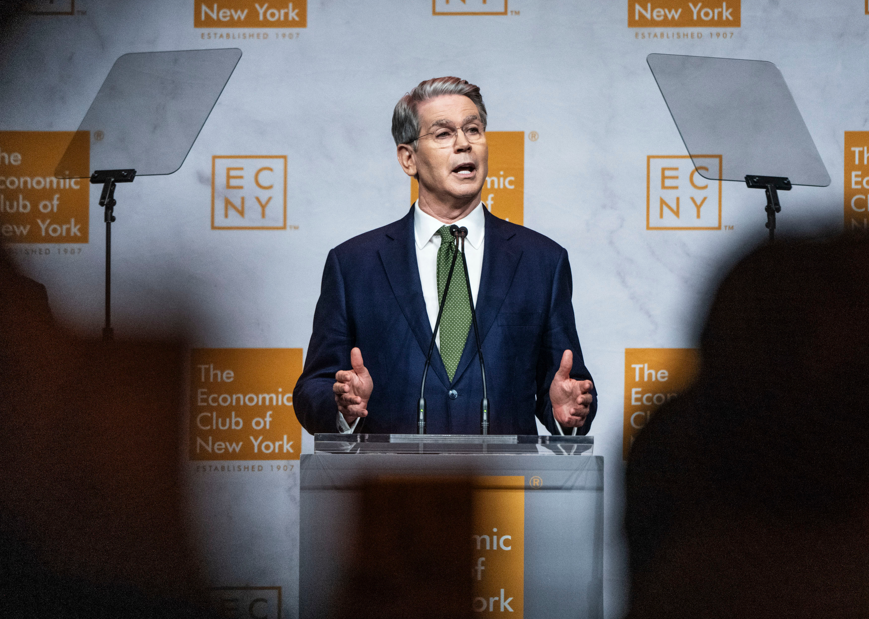
Treasury Secretary Scott Bessent warned that the US economy may see some disruption as the Trump administration shifts the basis for growth away from the government and toward the private sector.
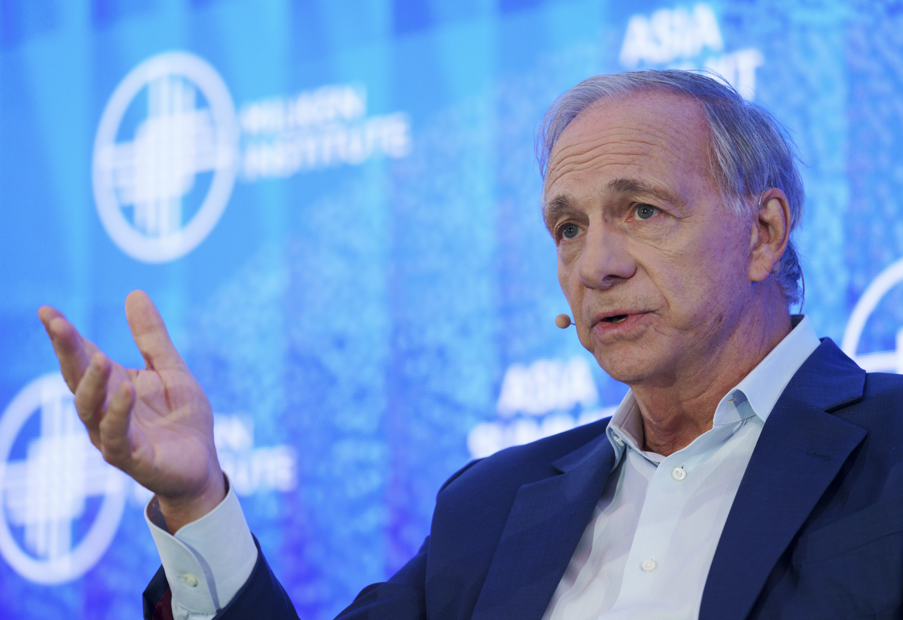
Bridgewater Associates founder Ray Dalio’s famous “All Weather” strategy has arrived in the exchange-traded fund market, just as the kind of macro-driven turmoil it seeks to guard against sweeps global assets.
Developing-nation assets jumped on bets higher tariffs will slow the US economy and divert investment flows into other markets.
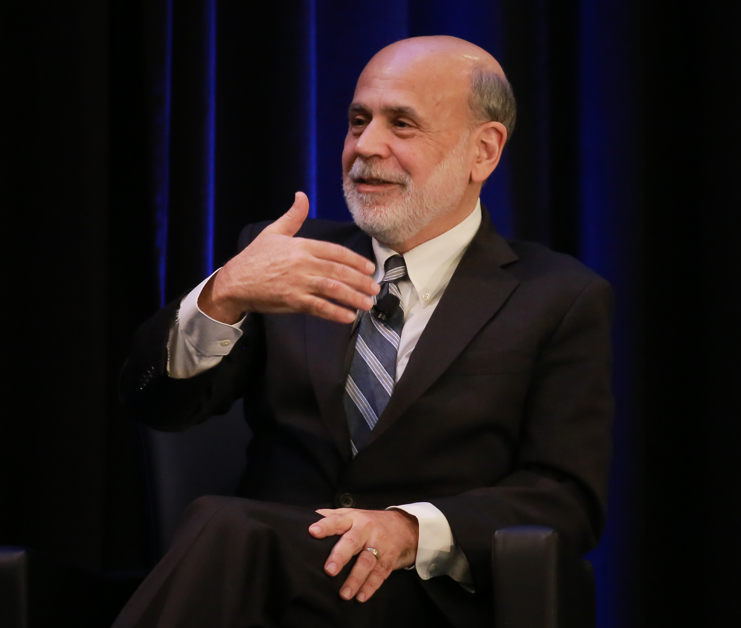
The world’s recent experience of faster inflation may make it harder for central banks to control prices in future, former US Federal Reserve Chair Ben Bernanke said.
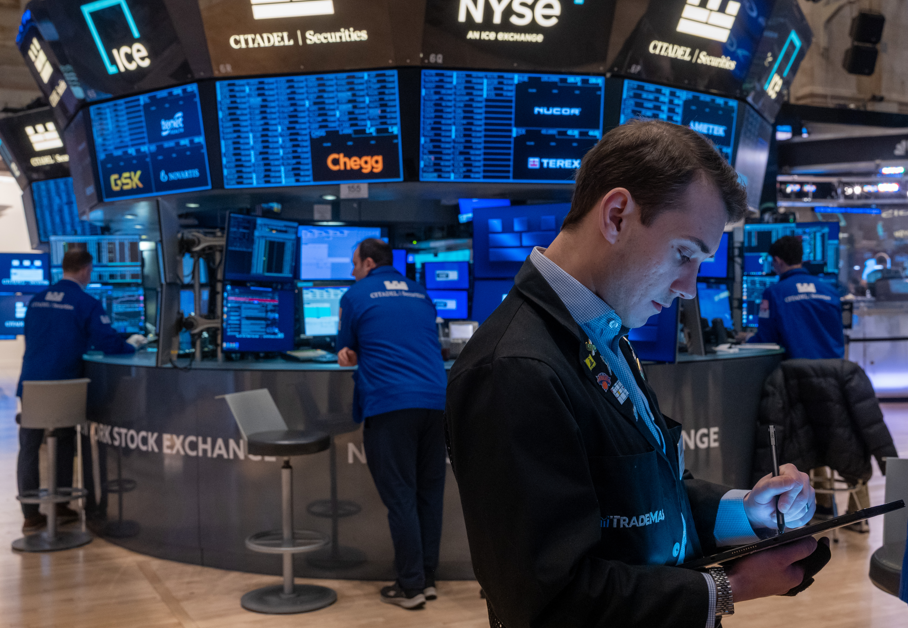
The market for US initial public offerings should look a lot more like the years prior to the pandemic-fueled boom, according to the head of the New York Stock Exchange.
China has taken an important symbolic step toward addressing a persistent drag on its economy.
Applications for US unemployment benefits fell last week and returned to muted levels seen at the start of the year, offering some relief after other reports pointed to worsening labor-market conditions.
Euro-area bond yields inevitably leapt like a salmon as Germany unleashed a fiscal bazooka, but compared to previous fixed-income tantrums, it’s not the stuff of all-night summits.
I recommend you hold what I call an “obstacles session.” This is when you ideally have a third party in to ask your team what success would look like to them, and what obstacles are getting in the way of achieving this success.
Imagine having a reliable, automated system that consistently brings high-quality leads to you – without the need for constant hustle.
Understanding copyright compliance rules can help you protect your business and confidently share content that aligns with both legal and ethical standards. Let’s clear up some common myths to keep your financial marketing on the right track.
One of the fastest and easiest ways to unravel your financial security is to have the wrong person gain control of your money.
The notion of a US recession seemed remote just a few months ago, a mere blip on the radar of economic possibilities. More recently, however, that picture has started to change.
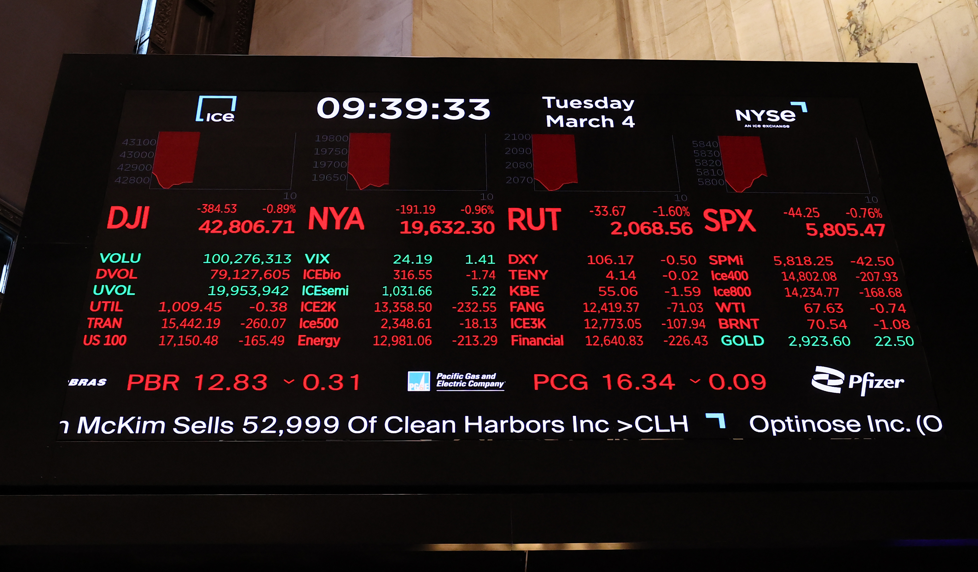
US stocks have been on a wild ride this week, and options traders expect more of that to come as traders assess the latest tariff developments and brace for Friday’s monthly jobs report.
Hiring at US companies slowed in February to the lowest pace since July, led by job cuts in the service sector and in regions of the US that were hit by severe weather.
Germany’s extraordinary spending plans are shaking up the region’s markets, powering European equities past US peers this year and reviving the euro from the brink of parity with the dollar.
President Donald Trump is set to announce changes to the tariffs on Canada and Mexico he slapped on earlier this week, with potential relief for automobiles and other sectors, Commerce Secretary Howard Lutnick said Wednesday.
Ultra-wealthy investors have unique needs and goals. While a typical high net worth client is focused on the next dozen years, these more deep-pocketed clients – like their institutional counterparts – have a much longer time horizon.
President Trump’s nomination of Paul Atkins as the next SEC Chair signals a potential sea change in regulatory approach, one that could dramatically reshape the landscape of alternative investments.
Pause and ask yourself a question: If I was not bound by the obsolete routines of the dinosaur age of assembly-line manufacturing, how would I structure my work to be the best investor I could be?
Many major stocks connected to artificial intelligence have lost their luster of late, but perhaps none more so than Microsoft Corp.
US Treasuries are now outperforming stocks since Donald Trump was elected President, and some strategists say there’s room for those gains to run.
Traders added to bets on interest-rate cuts from the Federal Reserve amid concern about the impact of US trade tariffs on global economic growth.
The Chinese artificial intelligence startup that rocked global markets earlier this year with its low-cost and high-performance AI models has outlined a potential path to major profitability.
Alternative investments including hedge funds and real estate will disappear from the portfolios of pension funds and endowments over the next 10 to 20 years, well-known institutional investment consultant Richard Ennis concludes in a recent report.
After a record year for fixed income ETFs in 2024, investors are turning to ultra-short bond ETFs, the safest fixed income ETFs available.
The central question we want to address in this note is how to quantify how “price sensitive” insurance buyers should be, and in the context of insurance, what is the “price” they should be sensitive to?
By acknowledging that we are not always rational and are subject to cognitive biases, we can better understand market anomalies and develop strategies to mitigate – and even take advantage of – their impact.
The future is impossible to predict, but looking at the patterns around price/earnings ratios can provide some insight about what one might expect.
There’s an old Wall Street saying that “the stock market is not the economy.” That’s usually true. But, in this economic cycle, stock market gains have become an increasingly important driver of consumer spending, helping to fuel growth as other areas of the economy cool.
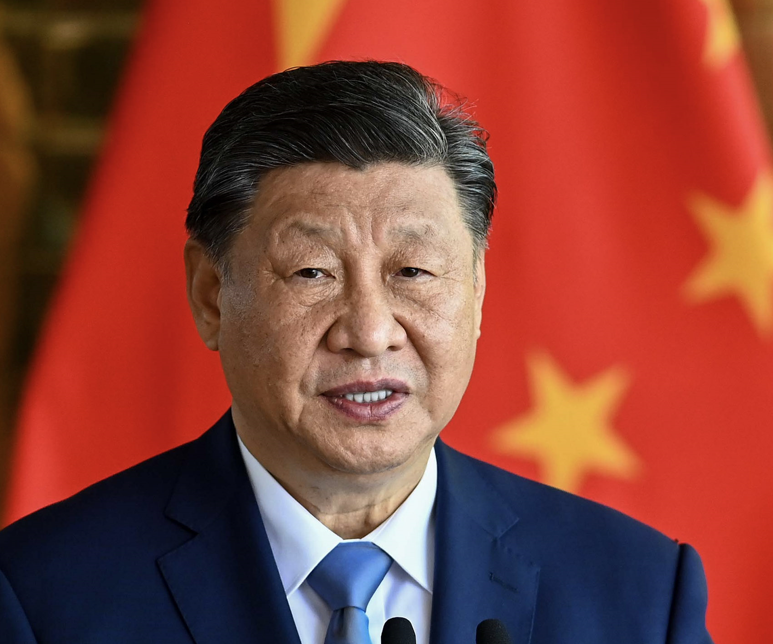
President Xi Jinping heads into China’s biggest political huddle of the year with his economy finally getting back some swagger. Donald Trump’s rising tariffs will test Beijing’s ability to sustain that momentum.
They’re a tempting proposition for anyone getting worried about the bull market’s longevity: exchange-traded funds that keep you from losing money — should stocks suddenly go south.
For some time now, there have been plenty of reasons to worry about Big Tech stocks. Stretched valuations after a big run up, heavy spending on artificial intelligence and lofty expectations for future growth. For months, though, none of it seemed to matter.
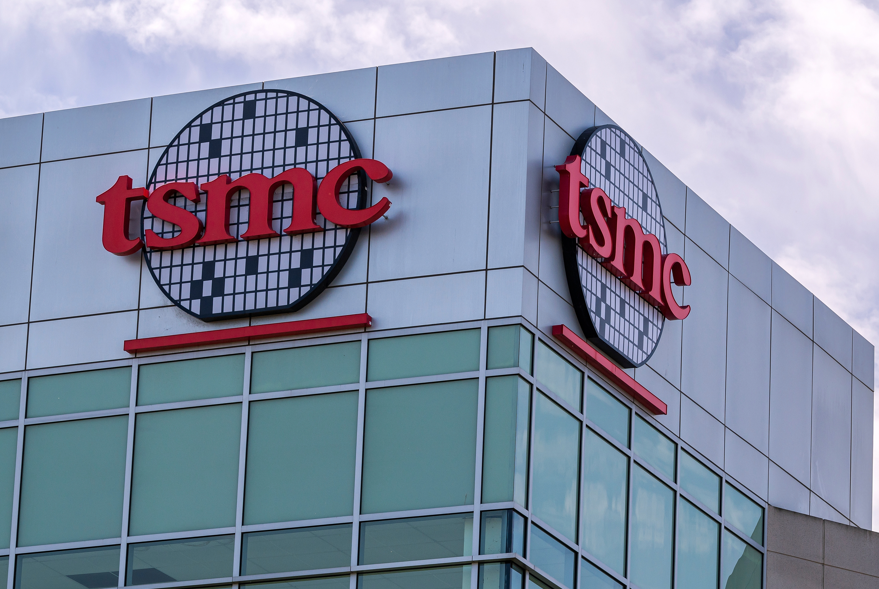
Taiwan Semiconductor Manufacturing Co. plans to invest $100 billion in chips plants in the US over the next four years, a move President Donald Trump is set to announce at the White House later Monday, according to a person familiar with the matter.
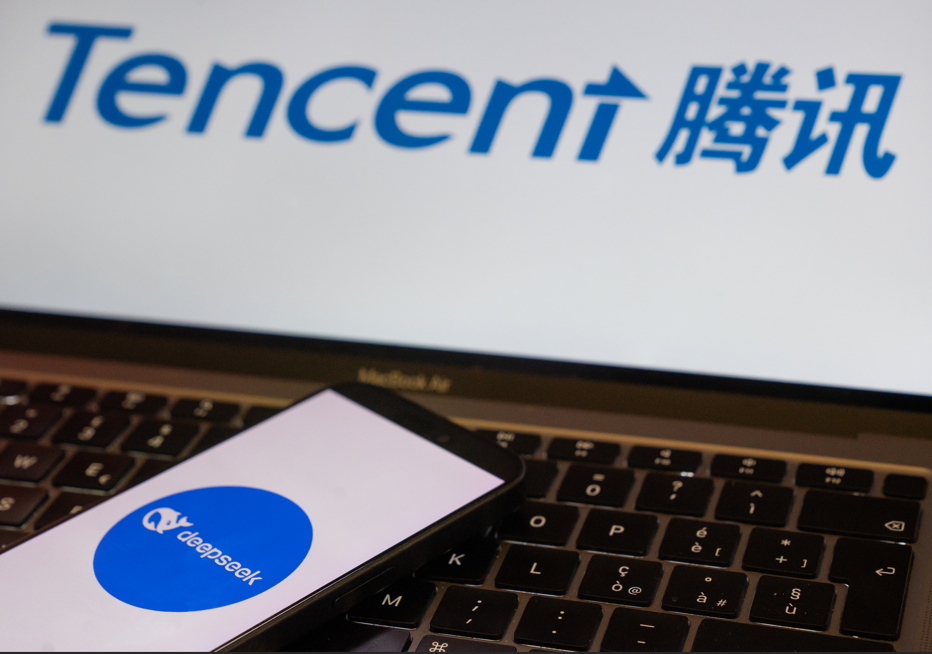
Tencent Holdings Ltd. became the latest tech company to unveil or enhance an AI model intended to eclipse DeepSeek, joining a spate of rollouts since the startup’s emergence energized the US-China technology race.
AI drug developer Recursion Pharmaceuticals Inc. is considering an Amazon Prime-style subscription model for selling its pipeline of medicines.
Emerging markets were swept up in the global equities storm Friday, with Asian stocks taking the heaviest beating after President Donald Trump’s latest tariff threats.
A week-long rout in Bitcoin deepened amid the recent broader retreat from risky assets in the wake of US President Donald Trump’s tariff threats and crypto sector turmoil, marking a dramatic reality check for one of the most popular Trump trades.
Trend-chasing hedge funds are facing a fresh wave of competition from the ETF world, as asset managers make their latest push to open up strategies to the masses that were once reserved for the financial elite.
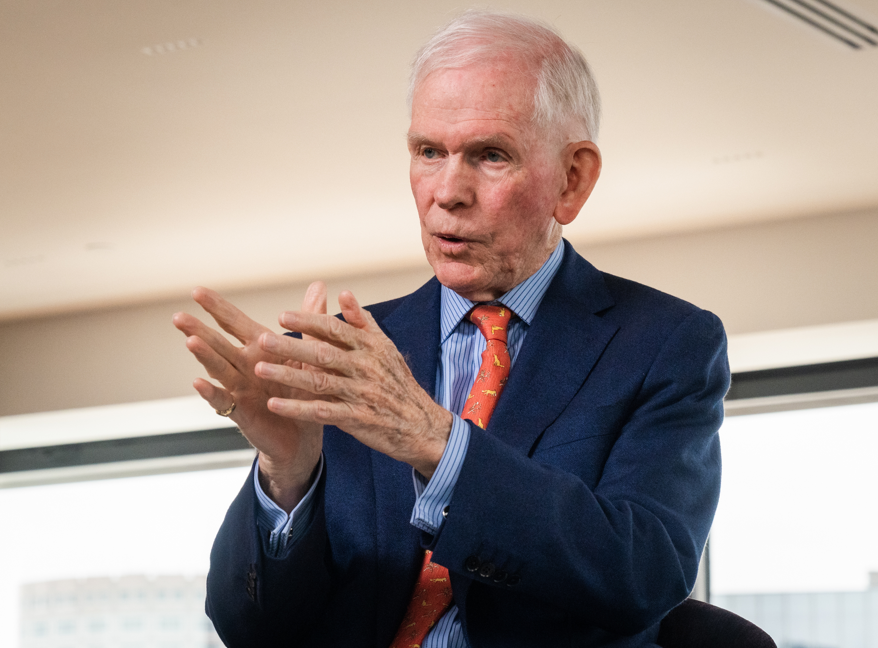
Artificial intelligence is pushing humanity toward a more efficient future, but like any world-changing technology will eventually crash and hurt investors, according to longtime Wall Street doomsayer Jeremy Grantham.
The world’s biggest asset manager is finally allowing Bitcoin into its $150 billion model-portfolio universe.
Investors in US government bonds are wrapping up their biggest monthly gain since July as the Federal Reserve’s preferred gauge of underlying inflation rose at a tepid pace in January.
President Donald Trump would like to offer migrants who want to work in the US a “gold card,” akin to a green card, with one significant difference: the price tag.
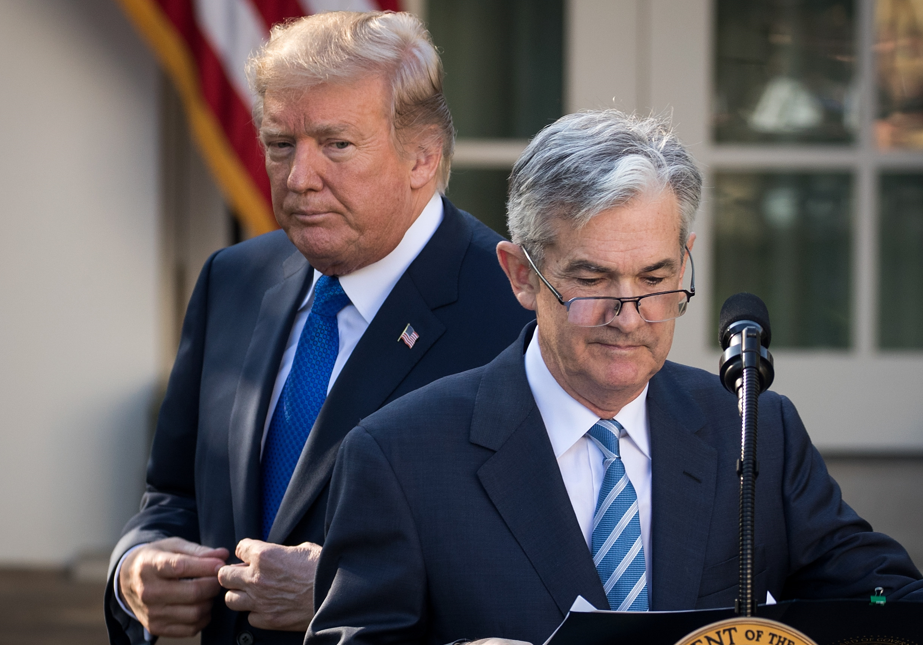
President Donald Trump may have found a way to force the Federal Reserve to lower interest rates after all.
The last time we heard from Amazon.com Inc. Chief Executive Officer Andy Jassy, he was breaking it to investors that his company was forecasting $100 billion in capital expenditures this year — the largest outlay of the tech giants in the pursuit of artificial intelligence.
Investor sentiment around small-cap companies is worse than it’s been in months. As it turns out, the mood isn’t much better inside their corporate boardrooms.
Investors hoping that Nvidia Corp.’s earnings would rejuvenate the artificial intelligence trade didn’t exactly get the report they wanted.
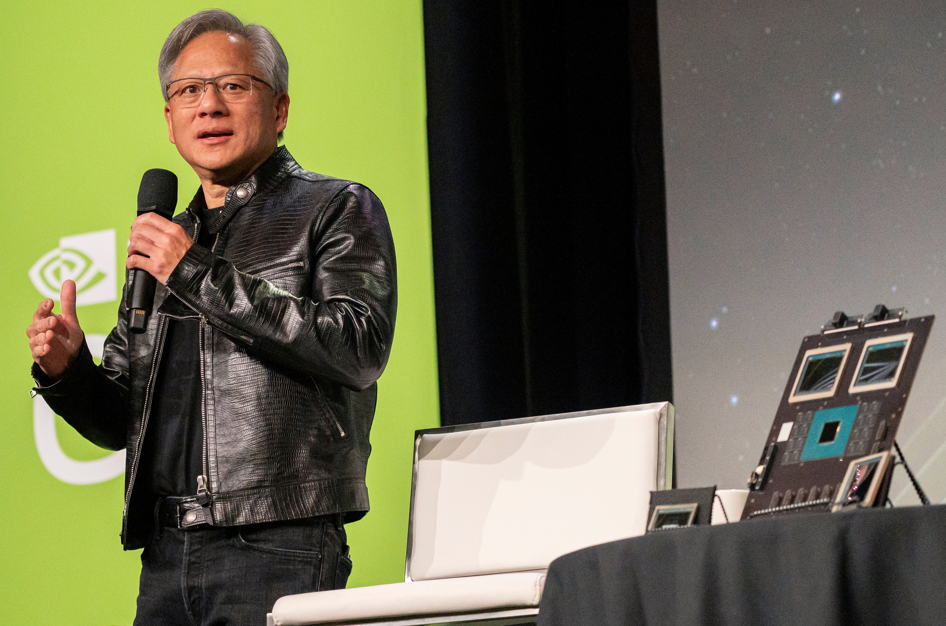
Nvidia Corp., the chipmaker at the center of an AI spending boom, delivered good-but-not-great quarterly numbers on Wednesday, drawing a muted response from investors accustomed to blowout results.
A diversified investment strategy that seeks to juice returns through leverage is finding new love among big money managers — more than a decade after it blew up during the 2008 financial crisis.
For the last five years, BP Plc has squandered its shareholders’ money. That’s why, forced by poor returns and the arrival of an activist investor, it finally “reset” its strategy on Wednesday.