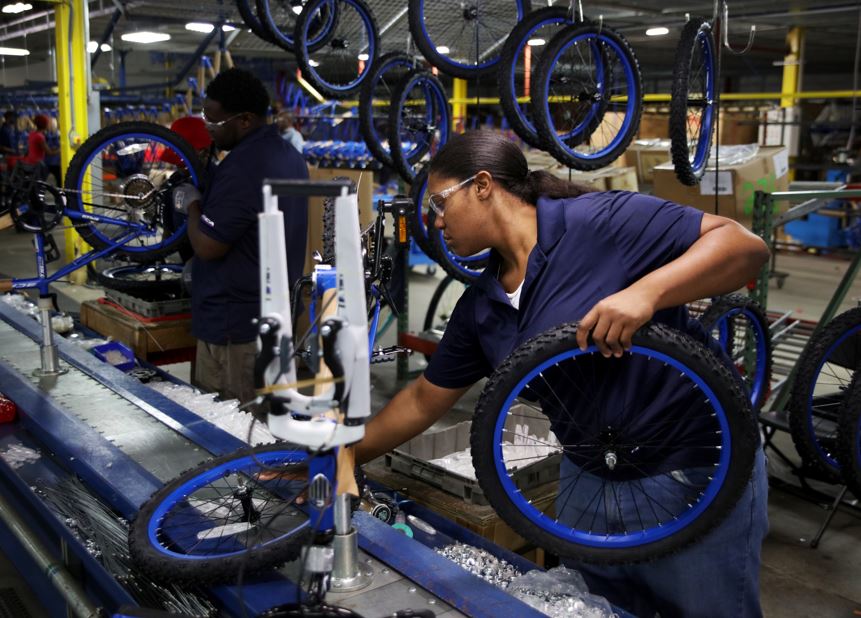
If you’re looking to a popular stock market tracker like the S&P 500 Index to gauge the effect of President Donald Trump’s proposed tariffs, don’t. It’s likely to be insulated from much of the fallout and therefore fail to reflect the true impact on US businesses.
Everyone should have access to a quality retirement plan. That should not be a radical statement. People deserve to age with dignity and not worry about outliving their savings or paying for necessities like shelter and food.
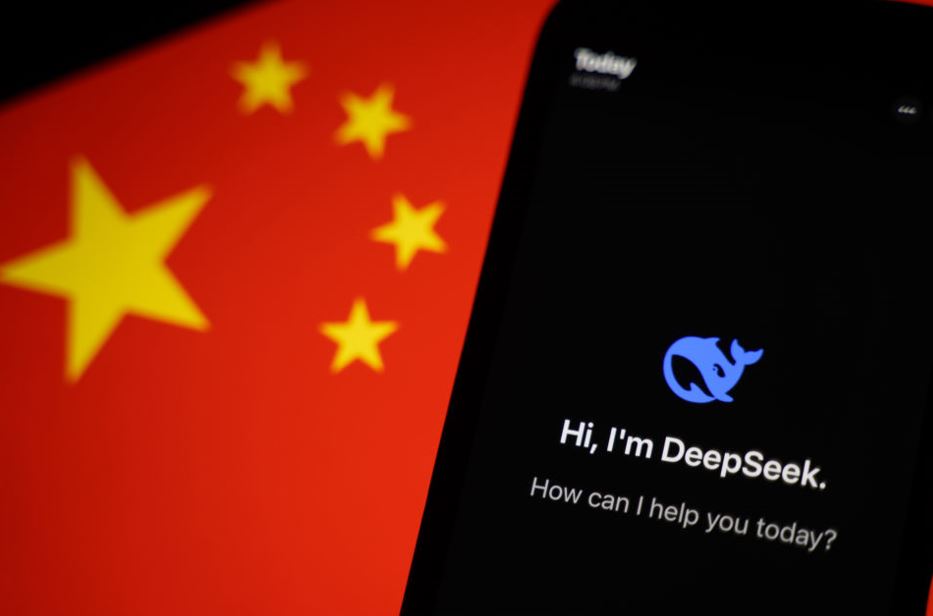
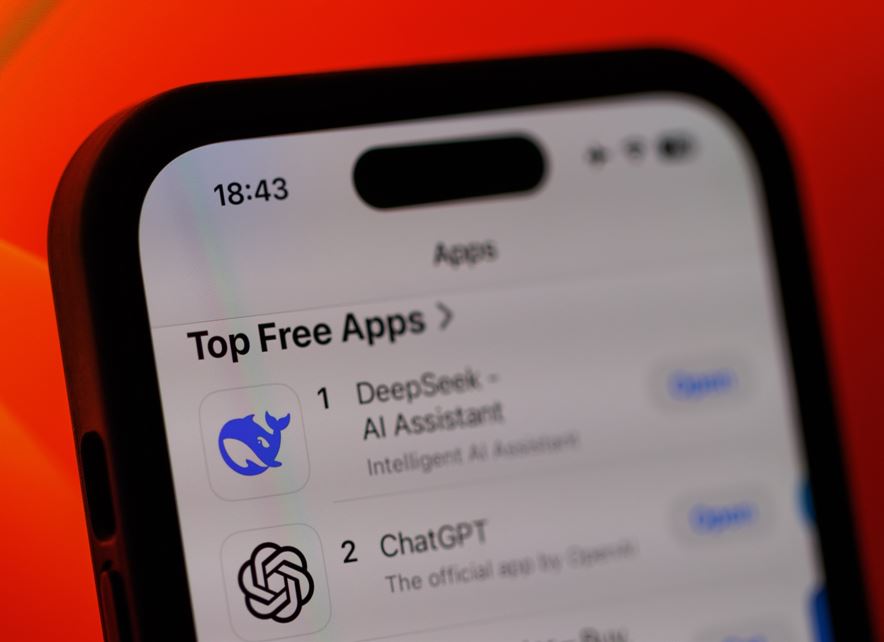
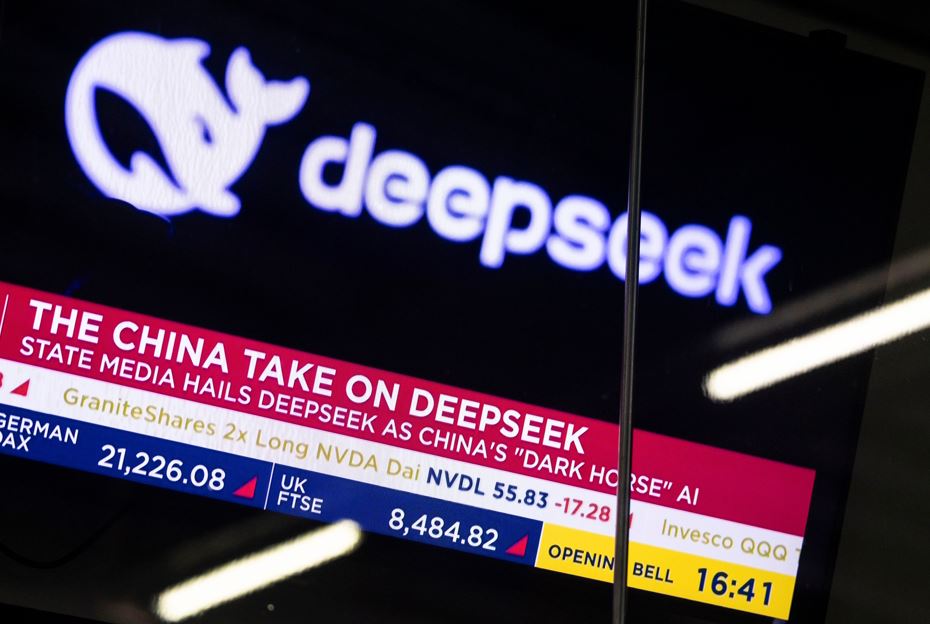
At the start of this week, the question was whether the shock of China’s supercheap AI DeepSeek would compel Silicon Valley’s big artificial-intelligence companies to reduce their spending.
A look at our most widely read articles for January reveals a motley crew, ranging from thought pieces on best practices for managing your advisory firm to explorations of the potential for stock market disaster.
Some of America’s leading financial firms are hoping to sell the White House on what sounds like a compelling idea: Open employer-sponsored retirement plans to the private investments they manage, so regular folks can reap returns currently reserved for the wealthy.
The best performing US blue-chip bond funds of 2024 are sticking to their winning playbook: investing in debt from riskier blue-chip companies, as well as firms that can handle economic turbulence — and avoiding corporations sensitive to interest-rate risk.
US job growth moderated in January while annual revisions from the government also revealed less vigor in the labor market last year than previously thought.
Investors are hungry for a piece of the US data centers powering the artificial intelligence boom, and a handful of initial public offerings expected in 2025 would feed that appetite.
US government bonds fell as mixed employment data left traders holding tight to expectations that the Federal Reserve will keep interest rates steady until later this year.
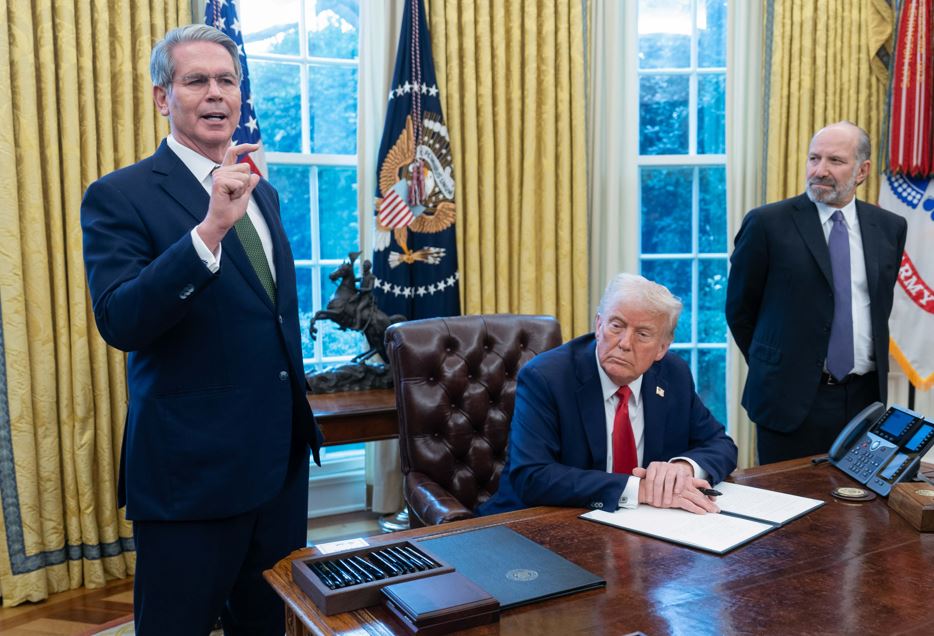
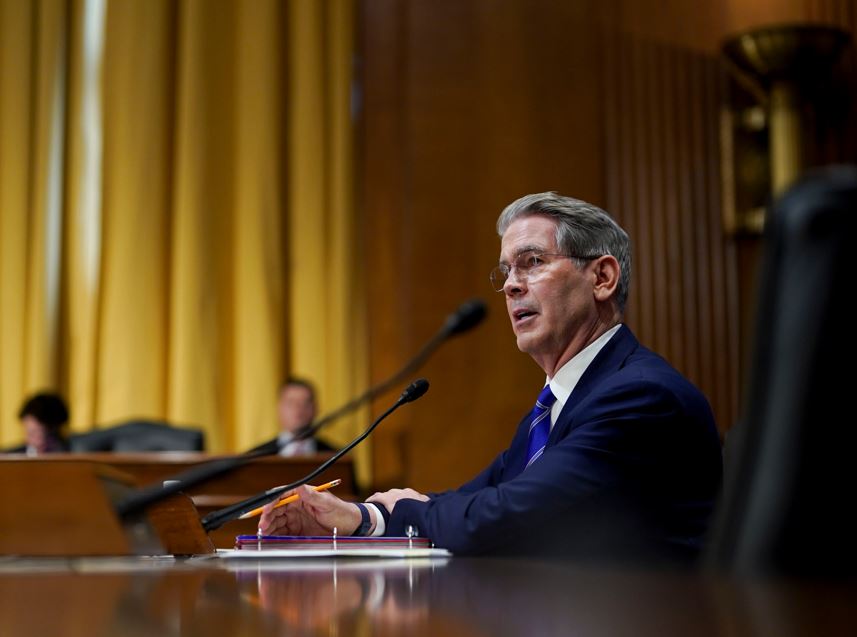
Treasury Secretary Scott Bessent said the Trump administration’s focus with regard to bringing down borrowing costs is 10-year Treasury yields, rather than the Federal Reserve’s benchmark short-term interest rate.
Amazon.com Inc. shares have largely climbed on the back of two trends: strength in its cloud business and a focus on costs. Now both could be in question.
The resilience of the labor market over the past year has, in large part, been about strength in sectors such as education, health care and government that are somewhat immune to economic cycles.
Why would a bank suddenly shut down a customer’s adequately funded account? Some leading Republicans, echoing tech titans like Marc Andreessen, have warned of a conspiracy among regulators to “debank” conservatives and crypto enthusiasts.
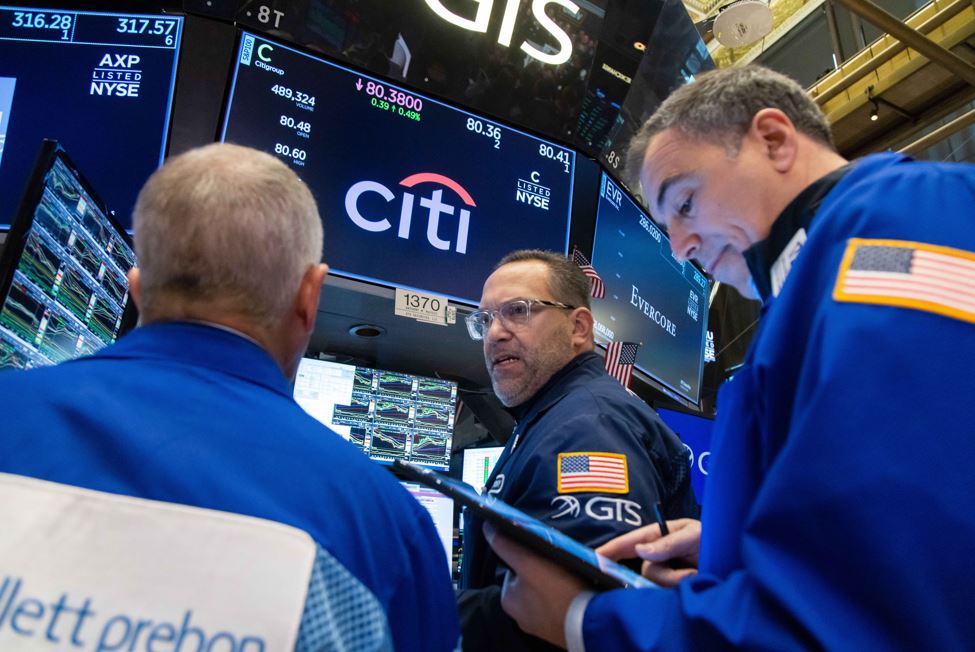
Last week, DeepSeek’s emergence as an AI threat wiped half a trillion dollars of value off Nvidia Corp. Last night, Alphabet Inc.’s disappointing earnings sparked questions about its capital expenditures and put its stock on pace for the worst drop in more than a year.
The US Treasury on Wednesday maintained its guidance on keeping sales of longer-term debt unchanged well into 2025, despite newly installed Secretary Scott Bessent having criticized the issuance strategy of his predecessor before he was picked for the job.
Macquarie Group Ltd. is shuttering its US debt capital markets arm, a business that includes leveraged loan origination, syndication and trading, to focus resources on private credit, according to people with knowledge of the matter.
Gold climbed to a fresh record high, as trade-war worries bolstered haven demand and there were continued signs of short-term tightness in the market.
Vanguard Group Inc.’s biggest salvo yet in its campaign to cut fees for the investing masses presents industry rivals with a painful choice.
I know that dealing with someone who is irrational is next to impossible. Trying to show them how much their approach hurts others only fuels the fire and gives them more righteousness.
In the face of uncertainties, financial advisors are uniquely positioned to help their clients prepare for the unexpected. By leveraging innovative risk management solutions, advisors can help businesses gain the stability they need to weather today’s disruptions and build resilience for the future.
As an advisor and business owner, you need to realize you can create your own economy – an economy that you control and can leverage.
Investors plowed record cash into a pair of leveraged loan ETFs last week, in a high-conviction bet that the Federal Reserve will be slow to slash interest rates.
Despite being targeted by Beijing in retaliation to US trade tariffs, Alphabet Inc.’s durable growth and attractive valuation may offer insulation from all the geopolitical uncertainty.
Apollo Global Management Inc.’s plan to tap wallets of rich clients is paying off, with its wealth business raking in record capital last year and boosting assets from the sector 50%.
Hedge funds have long gotten bad press. Criticized for short selling, corporate agitation or destructive greed, their contribution to economic activity isn’t always clear.
The dollar and US stocks have benefitted tremendously from recent global portfolio inflows. As of June 2023, the latest data available, foreigners owned a record 17% of US equities.
The urbanist and economist Edward Glaeser called cities “man’s greatest invention,” but cities have hit a bit of a rough patch lately. Why are cities so important to human life? What has gone wrong with them? And what can we do to make urban life better?
While we may joke about spending it down to the last penny, chances are there will still be plenty left for you when all is said and done. We just don’t necessarily want to admit it.
While it’s true that every administration brings policy shifts that can directly impact retirement savings, the speed and breadth of what is currently being proposed feels like we are headed into unprecedented territory.
Finally, an innovation has arrived in 401(k) investing. PTDAs are new. They combine multiple target date glidepaths with managed accounts, potentially using the best of both. Because they are new, it will be easy to think of them all as being the same, but that is far from the truth.
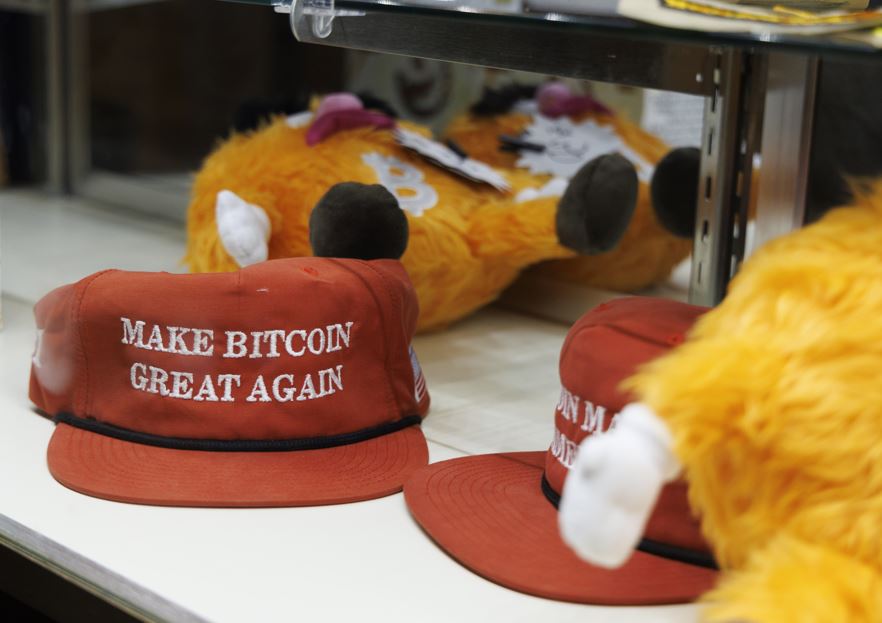
Meme coins are just the tip of the iceberg representing unproductive uses of capital. I could write volumes on other examples. But given its current popularity, I use it to help spread the productivity gospel once again.
After repeatedly blasting Janet Yellen last year over her department’s strategy for issuing federal debt, it’s now up to Scott Bessent to make the call on sales of Treasuries, with bond dealers conflicted over what he’ll do in a pivotal release due Wednesday.
Vanguard Group has slashed the fees for dozens of its mutual funds and ETFs in a record move that’s likely to send a shock wave through the asset management industry.
The US crude benchmark outpaced gains in other oil markets after President Donald Trump announced tariffs that threaten flows from two of America’s biggest foreign suppliers.
US bond markets are flashing a warning to US President Donald Trump that his move to unleash tariffs on top trading partners risks fueling inflation and stymieing growth.
I recently asked DeepSeek to model the impact of artificial intelligence on US labor productivity growth.
A lot has changed since a new administration took charge on Jan. 20, so the Federal Reserve’s decision last week to maintain its policy rate might seem odd.
Apple Inc. described its latest results as its “best quarter ever,” but that’s only true if you stop reading near the top of the press release issued Thursday evening. Overall revenue may have reached record levels, but big questions lurk about large parts of the iPhone maker’s business.
Carol Tomé, chief executive officer of United Parcel Service Inc., is ripping off a Band-Aid in one excruciating shot of pain to fix the courier’s post-pandemic problem with depressed profit margins.
Meta Platforms Inc. shares are on track for their longest streak of daily gains in almost a decade, with its latest earnings report adding to investor confidence about its strategy with artificial intelligence.
DeepSeek didn’t come out of nowhere. But it seemed to catch Silicon Valley and global investors by surprise this week, to the tune of billions of dollars in stock market value.
For the new Congress, deciding the fate of the 2017 Tax Cuts and Jobs Act will present an immediate dilemma. Allowing the law’s provisions to expire as scheduled at the end of the year would effectively raise taxes on tens of millions of Americans.
Concerns over Apple Inc.’s first-quarter results have met with 11th-hour optimism that it could eventually benefit from the same force that recently wreaked havoc on the tech sector.
It’s early days, but there already appears to be a clear buzzword among corporate executives this earnings season: tariffs.
A small band of Wall Street skeptics are moving to protect their credit portfolios against a market priced like nothing in the economy could possibly go wrong.
Boeing Co. reported on Tuesday that it burned through $14 billion of cash in 2024 and is likely to post negative cash flow this year as well. Regardless, its shares jumped as much as 7.6%.
By now, almost everyone has heard about DeepSeek, the Chinese-made AI that has taught the US a thing or two about building cheaper artificial intelligence.
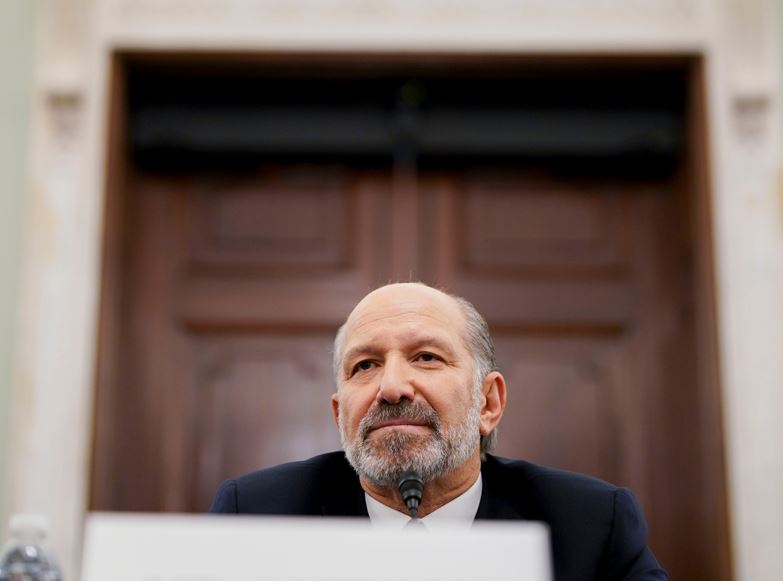
Howard Lutnick, President Donald Trump’s nominee to lead the Commerce Department, offered a detailed defense of tariffs in his confirmation hearing, the clearest signal yet from a cabinet pick that the new administration is prepared to impose the levies on allies and adversaries alike.
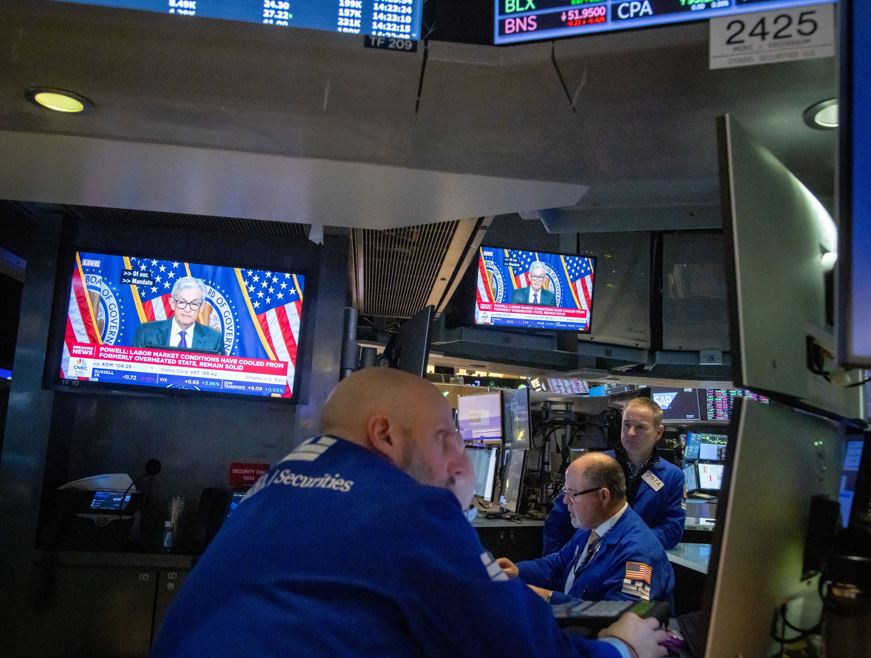
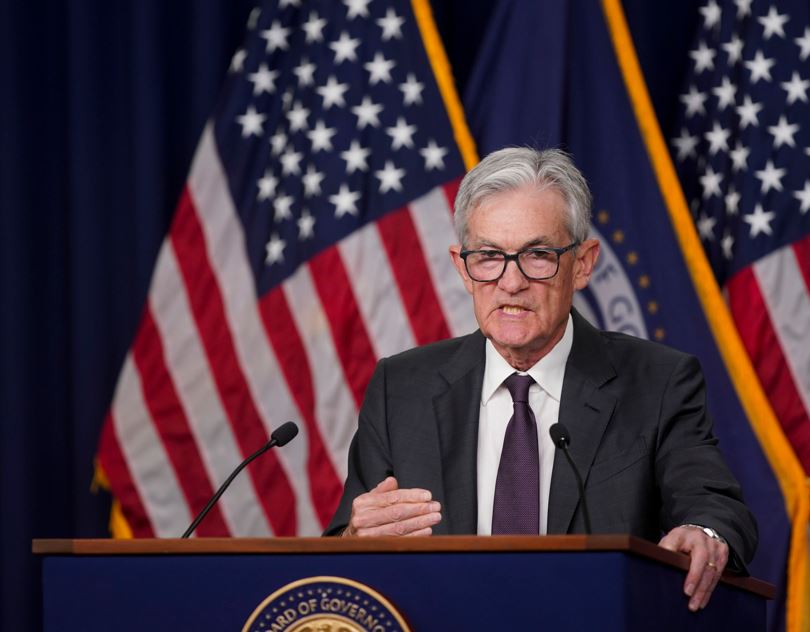
Federal Reserve Chair Jerome Powell said officials are not in a hurry to lower interest rates, adding the central bank is pausing to see further progress on inflation following a string of rate reductions last year.