Top strategists joined VettaFi on January 29 to provide data-backed forecasts on the trajectory of global interest rates, persistent inflationary pressures, and the resilience of corporate earnings. Advisors came away from the event with the tools needed to mitigate risks stemming from sudden regime shifts while capturing alpha in a fragmented market.
A sharp productivity jump shows firms doing more with fewer workers. But the upside surprise also highlights growing risks about how these gains affect the workforce.
In our view, 2025 reinforced a familiar conclusion that tax management remains as relevant as ever, even though tax policy may no longer be a moving target.
For years now, advisors and investors alike have been pouring significant attention — and inflows — into the broad spectrum of fixed income ETFs.
VettaFi recently sat down with Morten Paulsen, head of research for robotics & machinery at CLSA, to discuss the transition of physical AI into a tech-driven industrial up-cycle. Paulsen projects that persistent U.S. labor shortages will drive domestic robot shipments toward a historical high of 40,000 units in 2026.
As political pressure on the Federal Reserve intensifies and markets ponder the nomination of a new Chair, understanding this chain of risk is increasingly important for investors. Equity valuations are heavily affected by expectations for long-term cash flows, along with the interest rates and risk-premiums that drive how much investors are willing to pay for those future dollars.
At GMO, we have always defined a bubble as a two-standard deviation divergence of the price of any asset class above its long-term real price trend. The U.S. stock market has now been in bubble territory for a prolonged period. Sooner or later, the bubble will burst and the price will return to its historic level.
Buying a house is expensive enough these days. But the costs of owning one have been rising, too — not least because of soaring insurance premiums. As policymakers of both parties have made housing affordability a top priority in recent years, they’ve done far too little to address this crisis in the making.
The iconic American manufacturer of commercial aircraft is investing to increase production rates of the 737 Max and the 787. The finish line for certification of two Max variations is in sight this year, and the game-changing 777X is expected to clear regulatory hurdles next year.
Apple Inc. had a very, very merry Christmas. “Unprecedented” demand for the latest iPhone pushed revenue for its top device up 23% year-on-year to a staggering $85.27 billion in the holiday quarter.
While much of the United States is ending January with bitterly cold weather, signs of a thaw are emerging in Florida’s housing market after years of stagnation. This is by no means an “all clear” signal.
U.S. stocks finished a volatile week with mixed performance, extending a second consecutive week of modest declines for major indices. Despite the pullback, markets remain close to record levels.
Private credit has grown from a small niche market to a major slice of the financial asset pie. Not many people outside of institutional finance talked about it twenty years ago.
Estate planning often sounds like something only wealthy families need to worry about. The federal estate tax exemption increased in 2026 under the One Big Beautiful Bill Act (OBBBA)—now shielding estates under $15 million for individuals and $30 million for married couples.
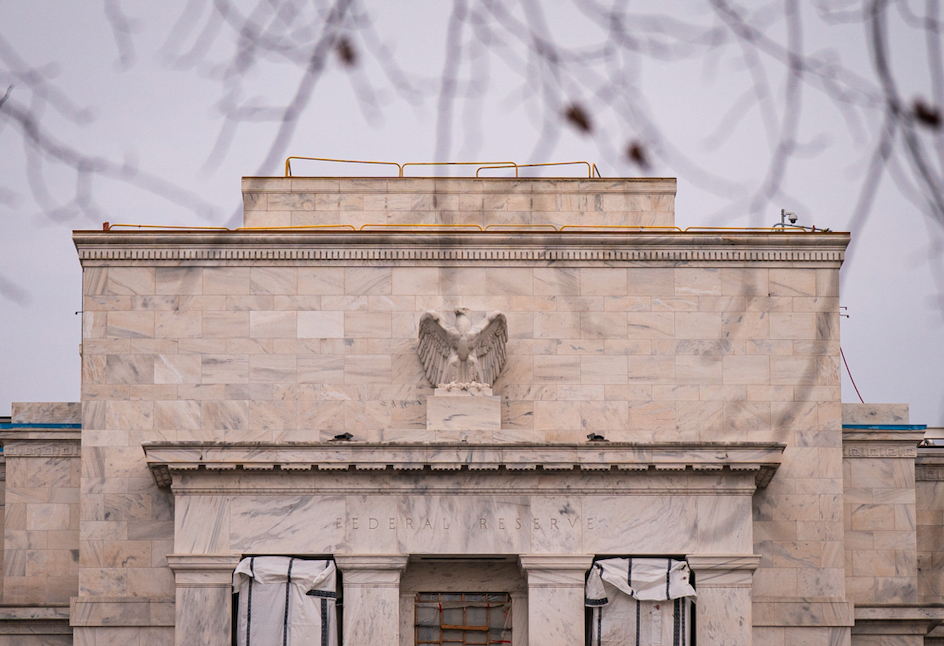
As was widely expected, the Federal Open Market Committee decided to pause their rate cuts at the January meeting, keeping the fed funds trading range at 3.50%–3.75%. For those keeping track, the Fed had lowered ‘the funds rate’ by 75 basis points (bps) during the final three FOMC meetings of 2025.
Passive, active, Treasuries, corporates, munis, international, and more — the whole spectrum of fixed income ETFs seemed to come off a strong year in 2025. The year was also marked by a bevy of launches.
New 25% tariffs will be placed on a small set of advanced semiconductors. The list of exemptions was long, allowing free imports of chips bound for data centers, research, startups and the public sector. The new tariff does not apply to finished products that use these chips, like laptops and smartphones.
Doug Drabik discusses fixed income market conditions and offers insight for bond investors.
As many of you know, my passion has always been helping investors understand company fundamentals so they can make sound, data-driven decisions.Today, I want to cover an essential accounting technique I frequently use with my Fundamentals Analyzer software: horizontal analysis.
Stock market volatility has a way of triggering powerful emotions. Rising prices foster confidence. But when markets fall, fear can take over, leading investors to make decisions that may undermine long-term returns.
The Federal Reserve held rates unchanged at the first meeting of 2026, while it waits to see what direction inflation, employment, and other policies take in the months ahead.
Join us at the Winter Symposium for a crucial session dedicated to defining investment strategy for the coming year.
Private markets were historically for institutional and ultra-high-net-worth investors. Today, that exclusivity is breaking down, as many retail investors realize the value behind private markets and advisors look for additional diversification tools.
2025 capped off a record year for orbital launches, confirming that the space industry is more than alive and well. This creates a growth opportunity set for the Procure Space ETF (UFO), which can capture ongoing developments in the industry in 2026.
In this article, we look both back and forward, first at the 2025 capital markets to analyze not just what happened but also how it fits in the historical context and what we believe it means for 2026 and beyond. We then pivot to our return expectations for major asset classes in the next decade.
Local currency rates and FX screen very cheap, while hard currency credit is rich.
The federal funds rate will remain 3.5% to 3.75%. While the market still expects two rate cuts late this year, the Fed is likely to tread cautiously given the economic backdrop.
Amid a rush of domestic and foreign policy developments that have rattled markets – including the potential for another U.S. government shutdown – the Federal Reserve held steady on U.S. monetary policy.
If you play it safe and the fund doesn’t generate sufficient returns, it will require more contributions, often from taxpayers. But if you take too much risk, it could also go wrong and leave the fund without enough money. The task requires balancing risk and reward.
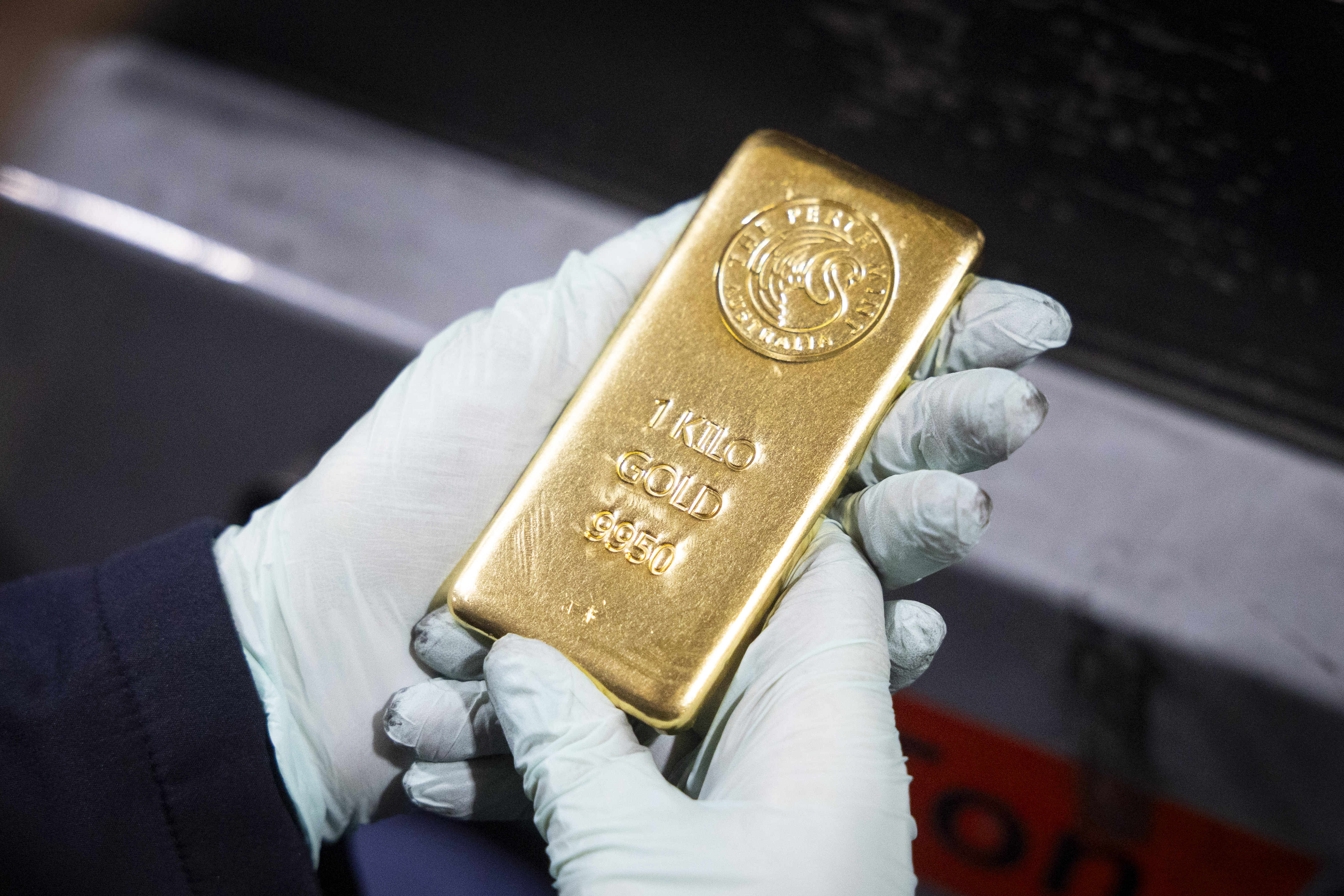
Gold surged to a record above $5,500 an ounce, extending a breakneck rally fueled by a weaker dollar and investor flight from sovereign bonds and currencies to a ninth day.
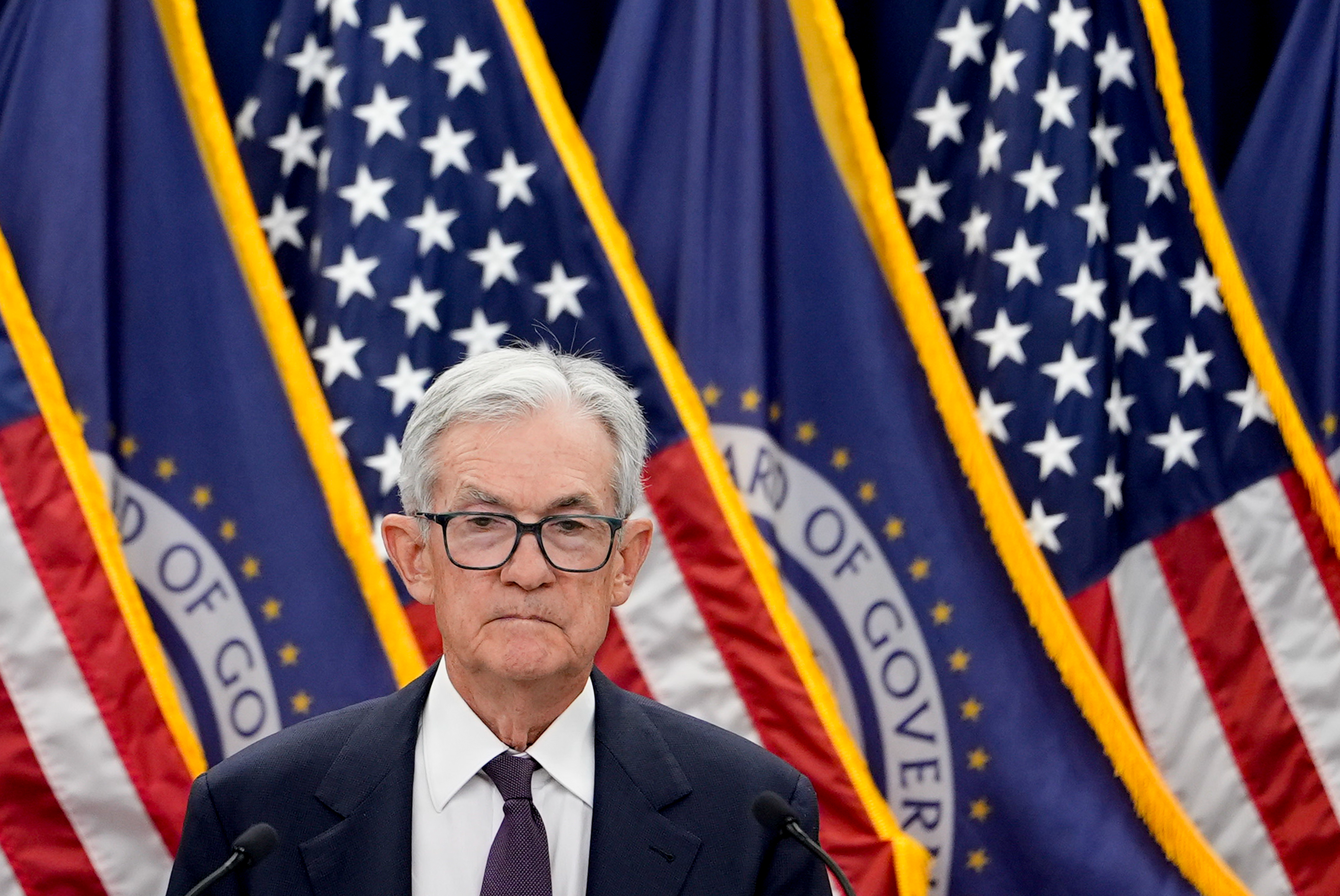
Jerome Powell has two more opportunities to adjust interest rates before his term as Federal Reserve chair ends — and he may not need them.
Apple Inc.’s stock is taking a hit as investors try to assess how much rapidly rising memory prices are eating into its bottom line. Investors will get a peek when the iPhone maker reports its earnings after the close Thursday.
Elon Musk, ever attuned to the political zeitgeist, has updated Tesla Inc.’s mission to “amazing abundance.” It is the kind of hyperbole beloved of investors in the company he runs.
Who could forget those heady days when Microsoft Corp. Chief Executive Officer Satya Nadella looked like the smartest man in tech? When ChatGPT emerged in late 2022, his decision to back OpenAI put Nadella’s company at the forefront of the AI boom.
On Saturday, President Trump threatened 100% tariffs on “all Canadian goods and products coming into the U.S.A.,” linking the warning to Canada’s China engagement and the risk of Canada becoming a “drop-off port” for Chinese goods into the U.S.
Coming into 2026, investors face a landscape shaped by persistent inflation, evolving US monetary policy and global uncertainty. At Parametric, our systematic and customized approach is designed to help clients navigate these complexities while preserving after-tax returns.
As a wave of inclement weather sweeps across much of the U.S., investors are also navigating a seasonally important period for markets. Much like winter storms can influence travel patterns and economic activity early in the year, January’s market performance has long been viewed as a potential signal for what lies ahead.
In our 2026 Outlook, we examine three themes that we believe will shape the economy in the coming year and impact the U.S. and global markets. Theme 1: Everyday Impacts of an Uneven Recovery. Theme 2: AI From Hype to Real-World Results. Theme 3: Adding Private Income and Diversification
The near-perfect timing of gold breaking through $5,000 while silver sliced through $100 has grabbed the market’s attention.
What appeared just months ago to be a stable and predictable transatlantic trade environment now looks conditional. The ground underneath transatlantic trade relations is once again shifting…even though critical portions of it are covered by permafrost.
Federal Reserve officials left interest rates unchanged and pointed to improvements in the US economy as they signaled a more cautious approach to potential future adjustments.
Concentration risk is the #1 controllable risk in your portfolio. If one stock goes to zero and it’s your whole bag, you're in trouble. But selling usually means a giant tax bill—until now.
Dealing with difficult clients is a topic I discuss often with advisors. When a client is being “difficult”, there are a few key psychological factors to understand. I’ve outlined a process below that may help you navigate these high-stress interactions.
It’s possible to make your communication with clients both more impactful and more efficient if you’re smart and strategic about using the tools you have available. Let’s take a look at how to leverage some of the most common communication tools effectively for your firm.
If you feel like your website is a little outdated or isn’t serving as the lead machine you want it to, it might just be time for a refresh. Before diving in, take some time to get feedback from trusted friends, consider your goals, and always keep your prospects’ pain points top of mind.
Amazon.com Inc. is cutting 16,000 corporate jobs in an effort to remove layers of bureaucracy and “increase ownership,” becoming the latest company to target managers for layoffs in recent years.
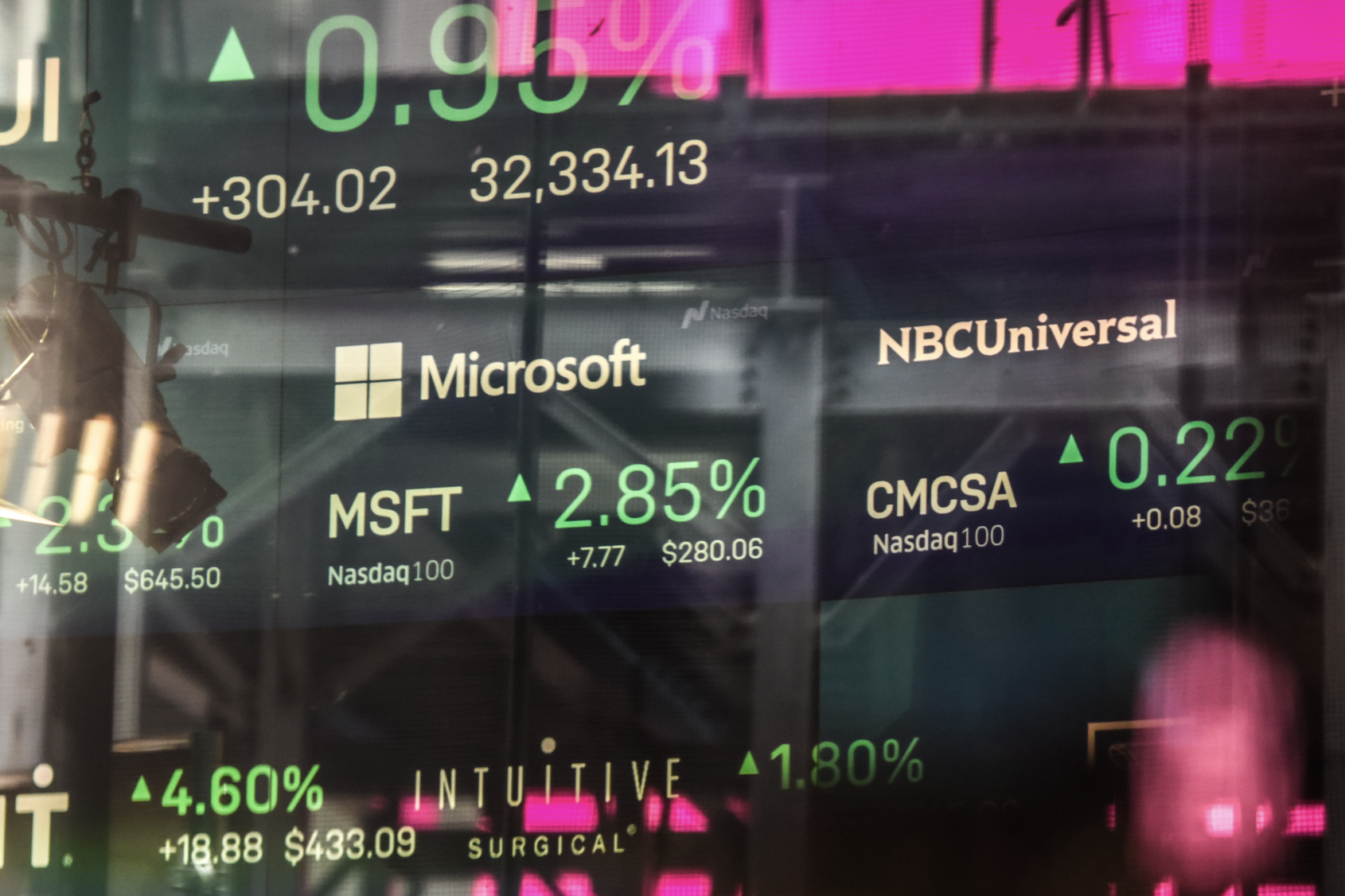
Investors wondering about payoffs from the pile of cash being spent on artificial intelligence should get some clues when Microsoft Corp. and Meta Platforms Inc. post earnings after the close Wednesday.
Over the past year, Tether has quietly become one of the biggest players in the global gold market — the embodiment of a meeting of the crypto and gold worlds whose shared distrust of government debt is a major factor behind the surge in prices to never-before-seen highs above $5,200 an ounce.
Mayor Zohran Mamdani is amping up pressure on Governor Kathy Hochul to hike taxes for the richest residents and corporations, asking the state to send billions more in aid to New York City as he faces mounting budget holes.
Classical economics suggests that information is readily available, and is assimilated quickly and accurately. Reality is not that neat: the discipline of behavioral economics has consistently demonstrated that human beings are prone to a series of biases and miscalculations.