Well-written compliance policies aren't sufficient. Firms must demonstrate active implementation and enforcement. Annual compliance reviews must be substantive exercises that identify genuine issues and drive meaningful improvements, not checkbox exercises that rubber-stamp existing practices.
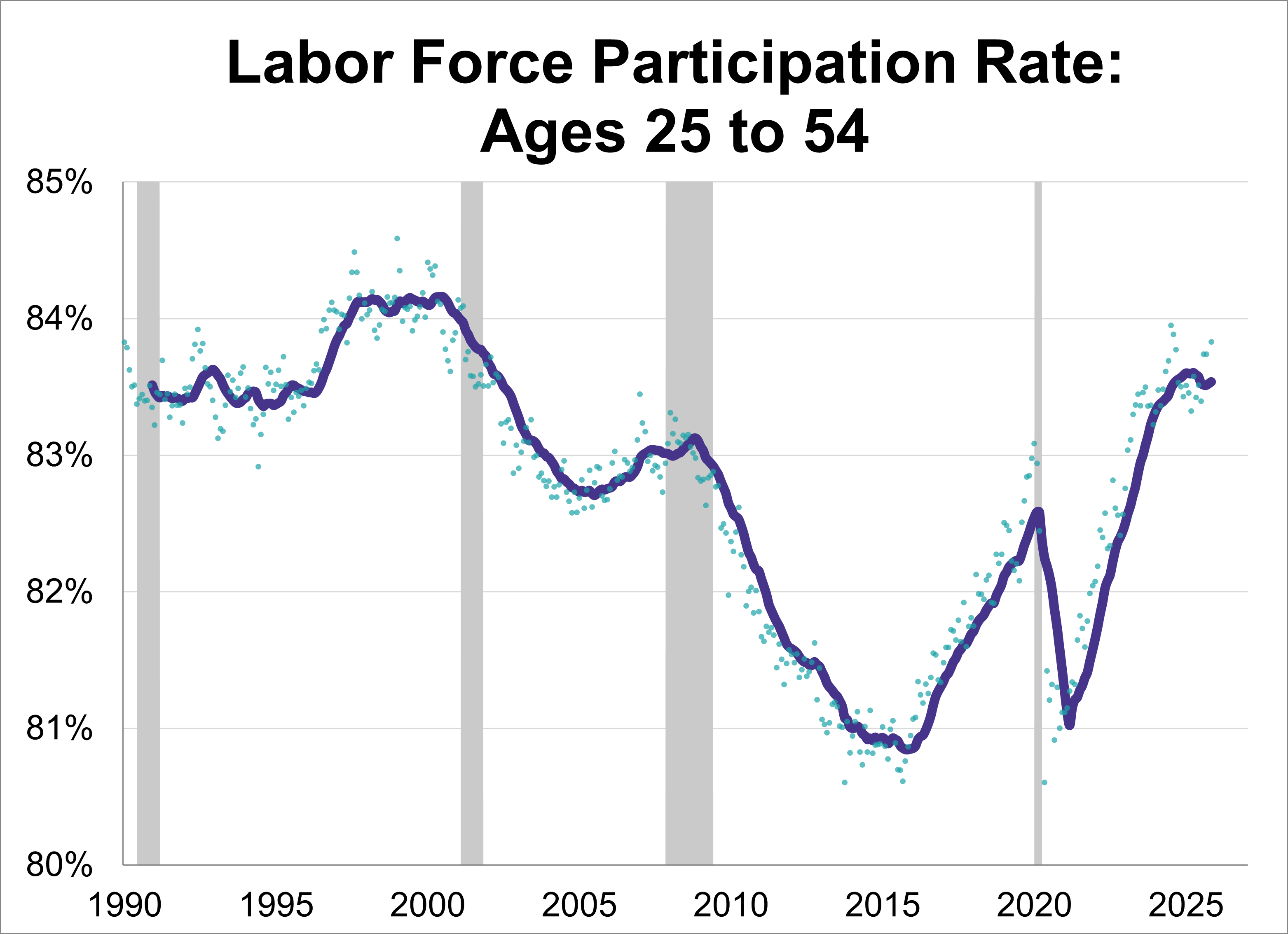
Now that the Bureau of Labor Statistics (BLS) released the delayed October and November nonfarm payroll numbers, do we know more about the US labor market than we knew before the release? Probably not.
We guess if you say something enough, a lot of people will start to believe it. The current refrain is that the labor market is cold, weak, struggling. A Google search for “labor market” is eye opening. The first five headlines use the words ‘weakened,’ ‘troubling,’ ‘risky,’ ‘slowing,’ and ‘warning signs.’
CIO Sean Taylor reviews a year of strong performance across key Emerging Markets and Asia and looks ahead to robust investment opportunities in 2026.
It’s that time of year when Wall Street polishes up its crystal balls and begins predicting returns for 2026. Since Wall Street never predicts a down year, which would be unwise for fee-based product revenues, these forecasts are often inaccurate and sometimes significantly wrong. Let’s review some previous years.
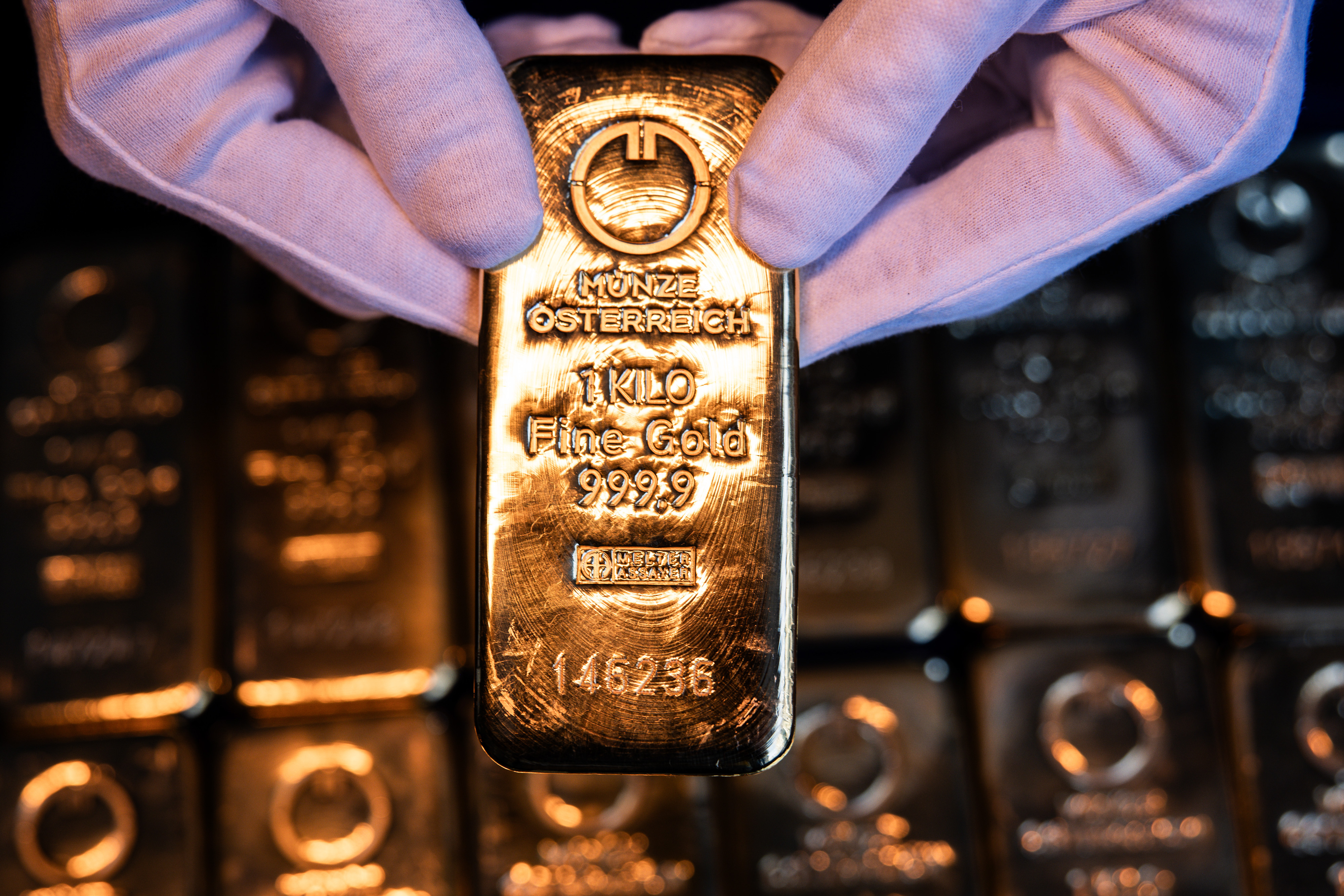
Challenging the conventional view of gold as a bubble, this analysis explores whether the metal's 109% surge since 2024 signals a permanent paradigm shift rather than a looming crash.
After three strong years in a row, major indexes ended the year seeking direction. While optimism abounds, here are some potential issues that could trip up U.S. stocks.
Cinthia Murphy, Investment Strategist at VettaFi, breaks down new survey data on how financial advisors are thinking about equities, fixed income, and crypto heading into 2026. Brittany Christensen, Head of Business Development at Tidal Financial Group, highlights her top ETF stories to watch in the year ahead.
Preparing for the eventual transition of an RIA practice requires early strategic planning to ensure long-term stability and employee loyalty, regardless of how far off retirement may seem. This guide explores the distinct advantages of internal succession, external sales, and hybrid models, while highlighting key value drivers like organic growth rates and recurring revenue.
2025 is drawing to a close, and investors have plenty to look back on. Active ETF performance and proliferation was once again an important theme, and as the category matures, its standout performers have diversified.
While often overlooked, water management plays an important role in oil and gas production. Oil wells typically produce more water than oil, while hydraulic fracturing (or fracking) requires water to be pumped into wells. Water infrastructure related to oil and gas production is considered midstream and is classified within gathering and processing.
The dollar is heading for its weakest annual performance in eight years, and the options market is signaling that traders are preparing for more downside in the final sessions of 2025.
Our monthly workforce recovery analysis has been updated to include the latest employment report for November. The unemployment rate inched up to 4.6%, its highest level since 2021. Additionally, the number of new non-farm jobs (a relatively volatile number subject to extensive revisions) came in at 64,000.
Companies across the US and Europe are preparing to sell a record amount of high-grade bonds in 2026, testing investors’ appetite as yields drift lower.
With less than two weeks to go, 2025 is set to be a record-breaking year for the $13 trillion US exchange-traded fund industry: new high-water marks in flows, launches and trading volume. It’s up for debate whether the next few years will be as kind.
US economic growth is set to accelerate with cheaper oil. Federal Reserve rate cuts are likely with inflation cooling.
Gold and silver rallied to all-time highs on escalating geopolitical tensions and prospects for more US rate cuts.
Instead of repeating standard advice about budgets, credit cards, and planning ahead for next year, my holiday wish is that you give yourself the gift of curiosity and awareness.
Before we turn the page on 2025, let’s take a moment to reflect on the key trends that shaped the economy and financial markets this year. Despite heightened policy uncertainty and persistent geopolitical tensions, both proved remarkably resilient.
Portfolio customization and tax management were once reserved for a financial advisor’s wealthiest clients. That era is ending. Tax efficiency and customization are fast becoming core components of wealth management beyond the top income tiers.
This week, President Donald Trump ordered a blockade of oil tankers entering and leaving Venezuela, dramatically escalating U.S. pressure on the Maduro regime.
Last week delivered welcome news on inflation in the United States. The November report showed headline inflation slowing to 2.7% year-over-year and core inflation easing to 2.6%—both below consensus expectations of 3.1% and 3%, respectively.
As your balance sheet grows, the questions you ask about money tend to change. You move from wondering how to build assets to asking how long they will last, who will manage them after you, and how to keep family relationships steady along the way.
Many people only respond financially to the end-of-season of income changes like job raises, bonuses, and commissions. Carey tapped into something much smarter: letting a single holiday song transform into an evergreen asset that pays her consistently every Christmas. That can apply to your own personal finances as well.
Driven by a more predictable regulatory backdrop and a surge in large-scale deal flow, 2025 has delivered the strongest merger arbitrage returns since the post-pandemic boom. This resurgence, characterized by narrowing spreads and a notable lack of failed deals, has set a robust foundation for continued activity into 2026.
The market’s big “aha” moment last week was a CPI print that came in meaningfully cooler than expected, followed immediately by the usual chorus that it must be “distorted.”
In this year-end reflection, we eschew the typical theater of market predictions to instead examine the "knew-it-all-along" effect and the cognitive illusions that make past volatility seem orderly.
This reflection reexamines the traditional Nativity narrative, suggesting that the "no room at the inn" dilemma was a result of government-mandated census pressures rather than the greed of a private innkeeper.
On this episode of the “ETF of the Week” podcast, VettaFi’s Head of Research, Todd Rosenbluth, discussed the Avantis U.S. Small Cap Value ETF (AVUV) with Chuck Jaffe of Money Life. The pair discussed several topics related to the fund to give investors a deeper understanding of the ETF.
Every situation is a chance to strengthen relationships and align wealth with purpose, but some carry more urgency. The coming tax changes are a prime example, requiring action before year-end. Still, urgency should never overshadow meaningful dialogue. A deadline may start the conversation, but understanding is what sustains it.
Reflections on the unexpected outcomes of an unpredictable year.
While assets under management have grown modestly, the fund’s impressive Sharpe and Information ratios—outperforming the vast majority of its peers—validate the efficacy of its strategic partnership with Apollo.
Over the last couple of years, inflation alarmists such as Paul Tudor Jones, James Grant, and Jeff Gundlach have all said that inflation is returning with force. In different ways, they each stated that they would not own Treasury bonds due to the expectation that inflation would rise as the dollar declined due to the ongoing deficits.
AI’s third wave could represent a broadening opportunity set of companies for investors to capitalize with. Businesses that adopt AI into their operations could ramp up productivity and expand their valuations at a rapid pace.
Emerging markets are poised to start 2026 as a favored trade on Wall Street, with money managers betting a multi-year cycle of investment inflows is underway.
It’s crystal ball season again on Wall Street — the time when strategists attempt the impossible task of divining where the S&P 500 Index will end the next calendar year.
JPMorgan Chase & Co. is considering offering cryptocurrency trading to its institutional clients, as large banks around the world deepen their involvement in the asset class.
State Street Corp. seemed to perfectly time the private-markets wave, debuting a private credit exchange-traded fund in February months ahead of an executive order that aimed to push more investors into alternative assets.
Gold and silver soared to all-time highs, as escalating geopolitical tensions and bets on further US rate cuts added momentum to the best annual performance in more than four decades.
Approaching retirement often brings a mix of excitement and anxiety as decades of saving meet the reality of market volatility. This article explores the "Danger Zone"—the critical window surrounding your retirement date...
The S&P 500 is near all-time highs, leading some to question whether markets are in a bubble. A careful analysis of past bull markets suggests this is not the case.
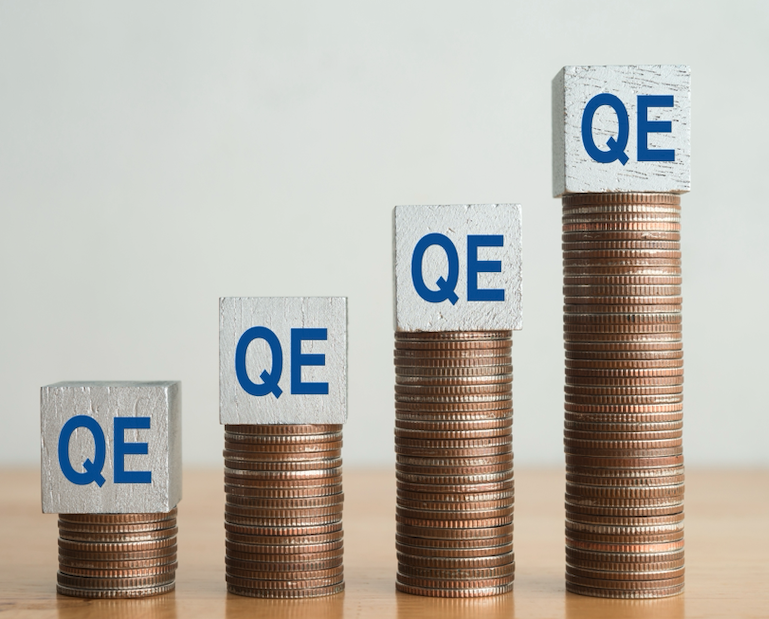
QE is back! On December 10, the Federal Reserve announced its plan to purchase $40 billion in Treasury securities each month for at least four months. Through these purchases, bank reserves will increase, and recent liquidity concerns should lessen.
While only two official dissenters opposed the December rate cut, dot-plot projections reveal that six Fed members, including four “silent dissenters,” were against easing, signaling deeper division within the Fed than headlines suggest.
This article explores the tension between individual economic outlooks and the institutional desire for collective stability in a highly scrutinized environment.
Shifting geopolitics are causing policymakers in Europe and Japan to step up fiscal spending to gain self-sufficiency and generate growth.
A Retirement Ready Dividend Portfolio for Young Investors In Part B of this series, Chuck Carnevale, co-founder of FAST Graphs and “Mr. Valuation,” continues building a dividend growth portfolio designed for younger investors who still have decades before retirement.
Energy can be either an enabler or a constraint. The latter happens when our creativity gets out of sync with the energy we can apply to it. This is happening right now and will get worse as artificial intelligence data centers demand more power than we have available.
Macro Signposts highlights takeaways from the data analysis conducted by our team of economists and other experts.
As enthusiasm for artificial intelligence and its potential to reshape business models and deliver extraordinary profits accelerates, we worry that rational, disciplined investing is taking a back seat. Many investors appear to be abandoning fundamental analysis and prudent valuation in favor of paying any price to own the hottest stocks.
This year was a difficult one for Americans looking for work. Forecasters don’t see much improvement in their prospects coming in 2026.