The rules haven't changed. The obligation to capture, retain, and supervise communications is exactly what it was in 2021. What changed was the enforcement spotlight — and firms that have mistaken a quieter SEC for a changed regulatory landscape are building exposure that will surface eventually.
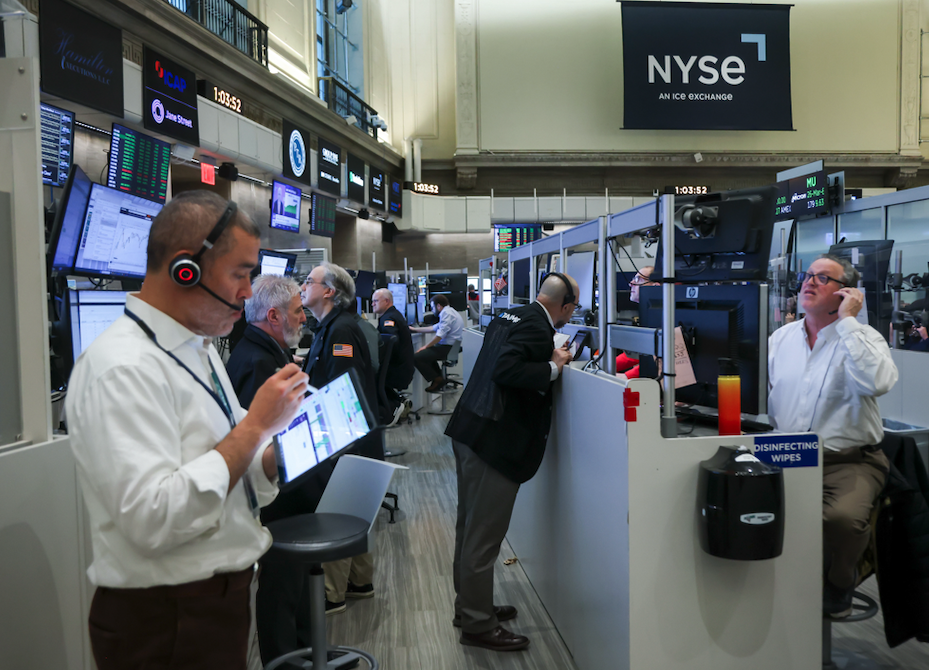
US equity futures pushed higher early Wednesday as traders snapped up technology shares after a pullback in the group, with enthusiasm around strong earnings outweighing a resurgence in inflation.
The nuclear power industry is booming. With electricity demand surging, dozens of nations have set a goal of tripling the world’s capacity by 2050. And the US, which has the biggest fission fleet, is pushing to quadruple output from its reactors.
Alphabet Inc.’s Google introduced a new high-end laptop segment called "Googlebook" that will run Android and prominently showcase Gemini artificial intelligence. Hardware partners Dell Technologies Inc., Lenovo Group Ltd. and HP Inc. will debut models built on the platform in the coming months.
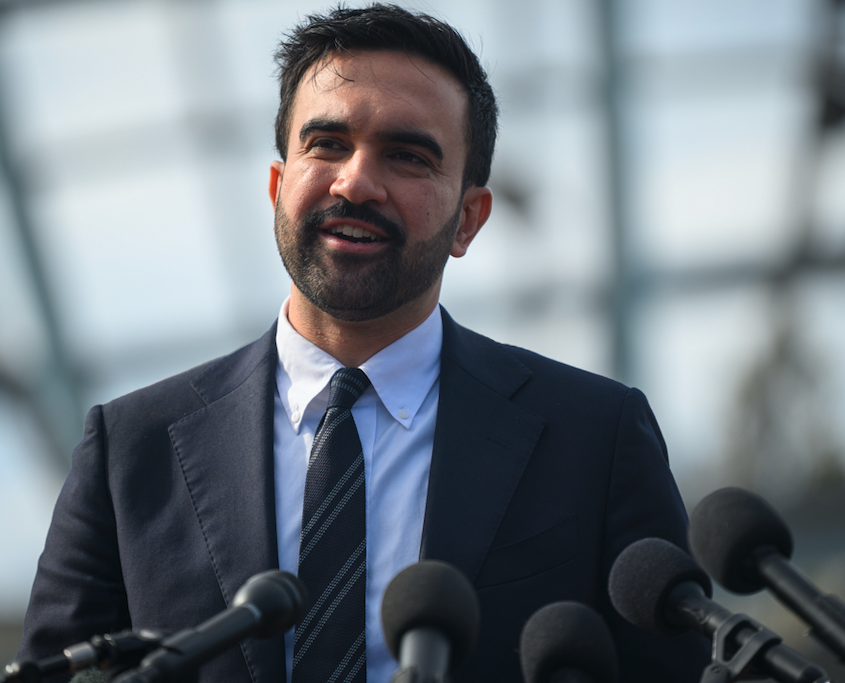
Mamdani called the pied-à-terre tax and the change in the unincorporated business tax credit, which would mostly affect affluent taxpayers, “common-sense measures.” He said the city is working with Albany on plans to administer the second-home levy.
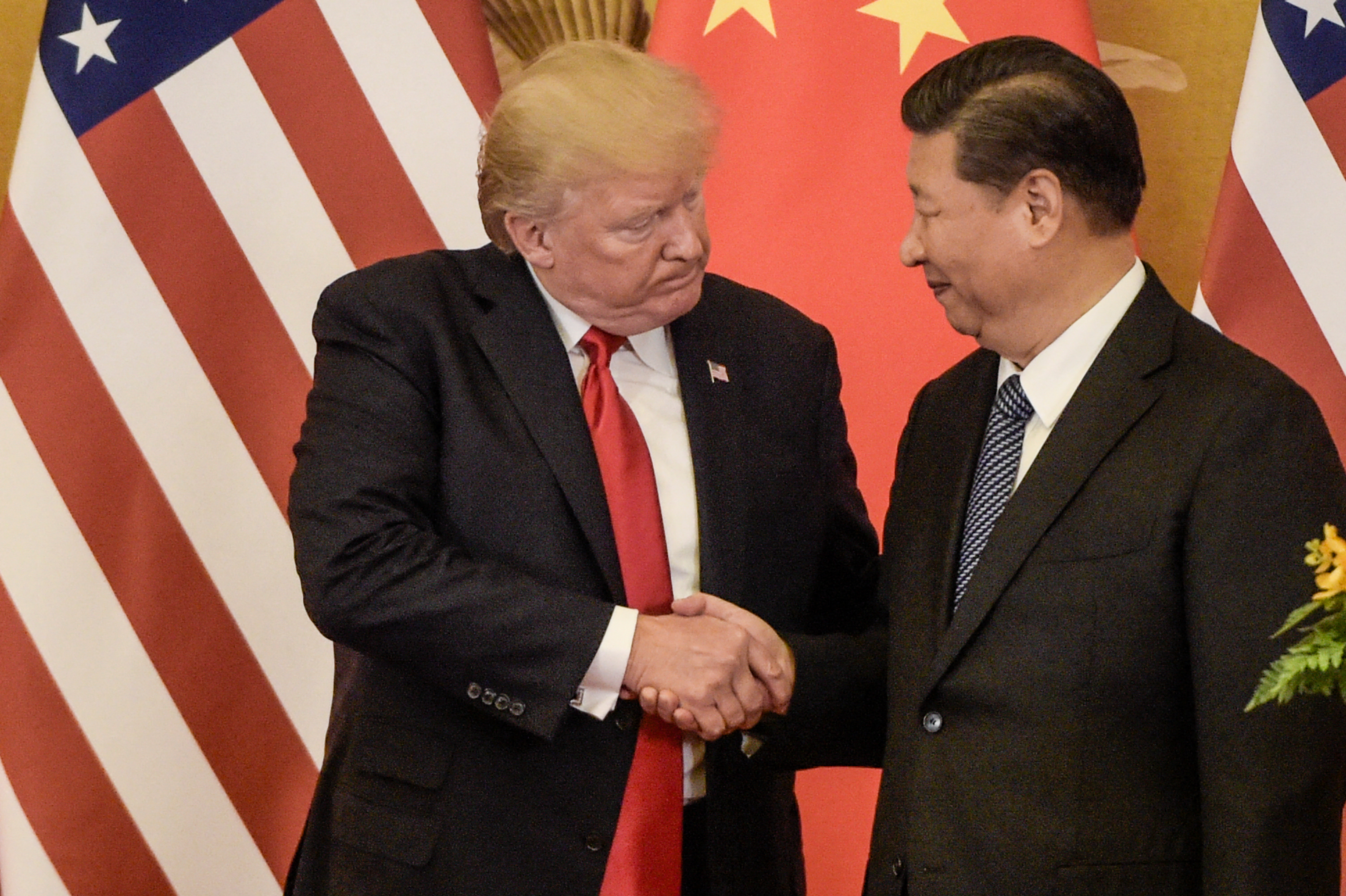
Nvidia Corp. co-founder Jensen Huang joined US President Donald Trump on his visit to China as a last-minute addition, thrusting AI and technology into the spotlight before a high-stakes Beijing summit.
The College for Financial Planning is a degree-granting institution offering various financial certification programs. It provides graduate degree, non-degree and continuing professional education programs for students. Founded in 1972, today it is part of Kaplan Financial and has trained over 165,000 professionals.
A real fundamental story doesn’t require a parabolic chart to validate it. In fact, fundamentals tend to drag prices up the trend line, not push them through the ceiling. When a “shortage” narrative arrives at the same moment that the worst-quality names in the sector are leading the index higher, that’s not fundamentals at work.
Within private credit, attempts to increase liquidity – the ability to buy or sell an asset quickly, in size, and at prices reflecting fundamental values – are welcome developments, in our view. Yet until these efforts address the market’s inherent structural constraints, including a lack of true price discovery, they will only increase the perception of liquidity without truly improving liquidity.
A tariff is a tax on the value of an imported good, paid by the importer at the time the good is taken from an entry port. The tariff is absorbed in some combination of price concessions by the exporter, lower margins for the importer or higher final prices.
Access to private equity, private credit, private infrastructure, and private real estate assets can potentially improve long-term investment outcomes for participants.
Psychology plays a larger role in our investing lives than many of us care to admit. Often, when investing, we would be better off being a bit more robotic and a bit less human. The reason behind this is often our feelings influence our decisions in ways that are not always to our advantage.
Get ready each week with high-conviction insights that go beyond media headlines.
The inflation dragon is alive and well. Last November, Donald Trump called himself “the affordability president.” However, it appears that the message is falling flat with your average American.
Beneath the surface, however, the story is more complicated. The economy is still advancing, yet it is doing so with a growing bifurcation between households and sectors, while inflation pressures continue to simmer in the background.
Emerging market stocks have rebounded to new highs following their correction at the onset of the Iran war. The recent rally has been concentrated around AI. Can this continue?
Join the experts at SS&C ALPS Advisors for an educational webcast exploring everything from energy security to the investment implications of resource nationalism and their place in investment portfolios.
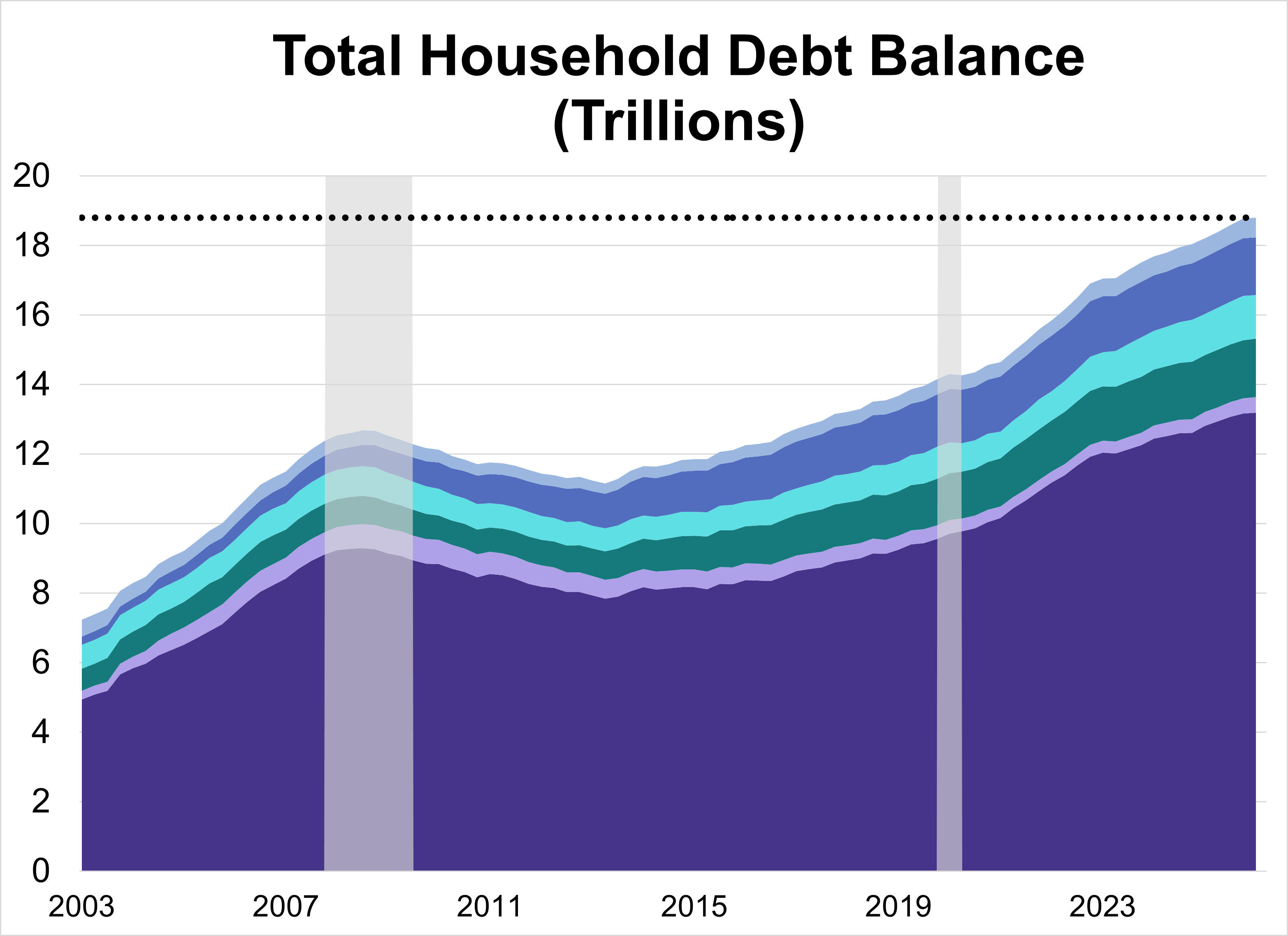
Total U.S. household debt climbed to a record $18.79 trillion in Q1 2026, a modest 0.1% ($18 billion) increase from the previous quarter. The overall rise was driven by increases across a handful of categories, specifically mortgage and auto loan balances.
In the current market, broad healthcare exposure means navigating relentless regulatory pressure and drug-pricing reform, a combination that can erode returns quickly. To find true value in this challenging macro environment, investors are increasingly turning to cash as the ultimate truth-teller, specifically, free cash flow (FCF).
Once clients’ taxes are filed, most assume the story is over for another year. For many, filing season ends with relief, frustration, or confusion — a refund that feels arbitrary, a payment that stings, or little clarity about what to do differently next time. That’s where you, as the advisor, can step in.
Setting and working toward a financial goal that represents your own freedom number is well worth doing. I suggest treating that number as a beginning and a continuing journey rather than a destination. Recognize that achieving financial independence alone is no guarantee of happiness and wellbeing.
AI infrastructure costs just keep on rising. Big tech firms are likely to invest several trillion dollars over the next few years to satisfy your ChatGPT and Claude habit.
The nearly $13 trillion market isn’t the flashiest outpost on Wall Street, but it’s the vital plumbing that keeps the money flowing. Through repurchase agreements, or repos, firms exchange Treasuries for cash — typically overnight — providing the short‑term funding that underpins trading, settlement and market‑making across the financial system.
China investors are counting on the summit between Xi Jinping and Donald Trump to deliver just enough to sustain the detente trade underpinning stocks and the yuan.
A scorching rally in Intel Corp. shares is threatening huge losses for traders wagering that they’re due to fall. But that isn’t stopping them from placing those bets.
United Airlines Holding Inc. is returning to the municipal bond market with a junk-rated $256 million sale, after last year’s volatility forced it to postpone the deal.
Firms pulled back sharply on hiring last year as policy uncertainty and higher input costs – driven largely by tariffs – forced a reassessment of risk. Nonfarm payroll growth averaged just 9,700 per month in 2025, down dramatically from 121,600 in 2024. That slowdown reflected a familiar corporate response: When uncertainty rises, labor – the largest and most flexible cost – becomes the primary adjustment mechanism. Rather than expand headcount, firms chose to wait.
After going negative in March after the outbreak of hostilities between the U.S. and Iran, flows of gold into ETFs flipped positive again in April, with all regions reporting inflows of metal.
The stock market is on an absolute tear, with the Nasdaq up 5% last week and nearly 13% year-to-date. The proximate causes include a cease-fire somewhat holding with Iran, a 28% surge in S&P 500 corporate profits in the first quarter, and some consensus-beating economic reports, like Friday’s payroll numbers.
Wendy Li spent 20 years working with large endowments and foundations before founding Ivy Invest. In the latest Alternative Allocations, she discusses how institutions approach illiquid investments, the importance of manager selection, and where she sees opportunities in today's private markets.
With those simple words, Jerome Powell departed his final press conference as Federal Reserve Chair. Powell’s eight years at the helm have been anything but simple, however. A review of his tenure includes some hits, some misses, and some important lessons in leadership.
Innovation drives portfolio growth, but how can investors access it while limiting concentration risk – or paying for red-hot valuations? Most investors are already significantly exposed to megacap tech names, but there are plenty more tech players out there that can deliver for investors.
Early detection, I believe, is one of the smartest investments you can make, whether we’re talking about your portfolio or your health.
Scalable personalization means saving time while not sacrificing the “secret sauce” that is unique to your practice. Time savings can come from scaling portfolio construction via model portfolios or direct indexing, adding tools or talent to complement strengths, and using technology like AI.
LPL Research explores how a potential Warsh-led Fed could reshape policy, Treasury markets, and volatility amid rising deficits and shifting demand.
Last week was very strong for the market narrative because the economic data continued to show resilience where it matters most: jobs, earnings, and investor confidence. The latest payroll report was not just stronger than expected; it showed broad private-sector strength, with government jobs actually declining and the prior month revised higher. That is an important distinction.
Munis may have struggled a bit in March, but the long-term environment for these bonds remains full of potential.
Explore the new 529 rules, including Roth IRA rollovers, the grandparent loophole, and higher K-12 limits.
Join the experts at Goldman Sachs Asset Management as they explore structural shifts within private equity and outline how the characteristics of private equity, such as sector, country and style, can be accessed by capturing replicable performance drivers through public markets in an ETF wrapper.
For business owners, your company is more than an asset; it’s your livelihood, your legacy, and often your largest source of wealth. Yet too many owners delay succession planning until it’s urgent, limiting options and potentially eroding value. A well-structured exit isn’t a last-minute decision; it’s a multi-year strategy.
A look at the highlights for the year to date via four charts, including updates about diversification, economic indicators and the national debt.
Rather than worrying about the narrow impact of faster IPO inclusion on index fund performance, we think investors would be better served by focusing on the long-term expected returns offered by the markets in which they’re investing – in particular the U.S. and non-U.S. equity markets.
Gold bugs often claim that when more dollars are in circulation, each dollar buys less; prices rise, and gold, as a store of value, helps protect purchasing power from that decline. As a result, they believe that a rising money supply, in and of itself, is inherently inflationary.
The nuclear industry has seen a recent flurry of announcements, headlined by two major industry partnerships to rapidly deploy new reactors. These exciting developments come against the backdrop of a new national poll showing increased positive sentiment towards nuclear energy. This all adds to the positive tailwinds for nuclear development in the U.S.
In my former life as a mutual fund analyst, T. Rowe Price was always a staple of my research. Back then, the focus was on their fundamentally focused active mutual fund lineup. However, in the last 15 years, the investment world — and my own research focus — has moved toward ETFs. I watched with strong interest as this Baltimore-based firm brought its active management expertise into the ETF world in 2020.
Copper headed toward its highest close ever — and other metals advanced — as traders shrugged off the apparent deadlock between the US and Iran to join a broader rally for risk assets.
Oil rose after US President Donald Trump rejected Iran’s response to his latest peace proposal, prolonging the effective closure of the crucial Strait of Hormu
Retail traders largely sat out a record-setting advance in chip stocks in April. Now they’re diving in just as worries mount that the group’s rally may be losing steam.
Cerebras Systems Inc. increased the size of its initial public offering, now seeking to raise as much as $4.8 billion, as demand for the artificial intelligence chipmaker and data center operator’s shares continues to build
The travel and leisure space remains a bright spot, with Marriott posting a robust earnings beat driven by a 12% increase in gross revenue and strong global booking trends. Airbnb also had a strong showing, topping revenue forecasts and raising its full-year outlook as global travel momentum drove a 19% increase in gross booking value.